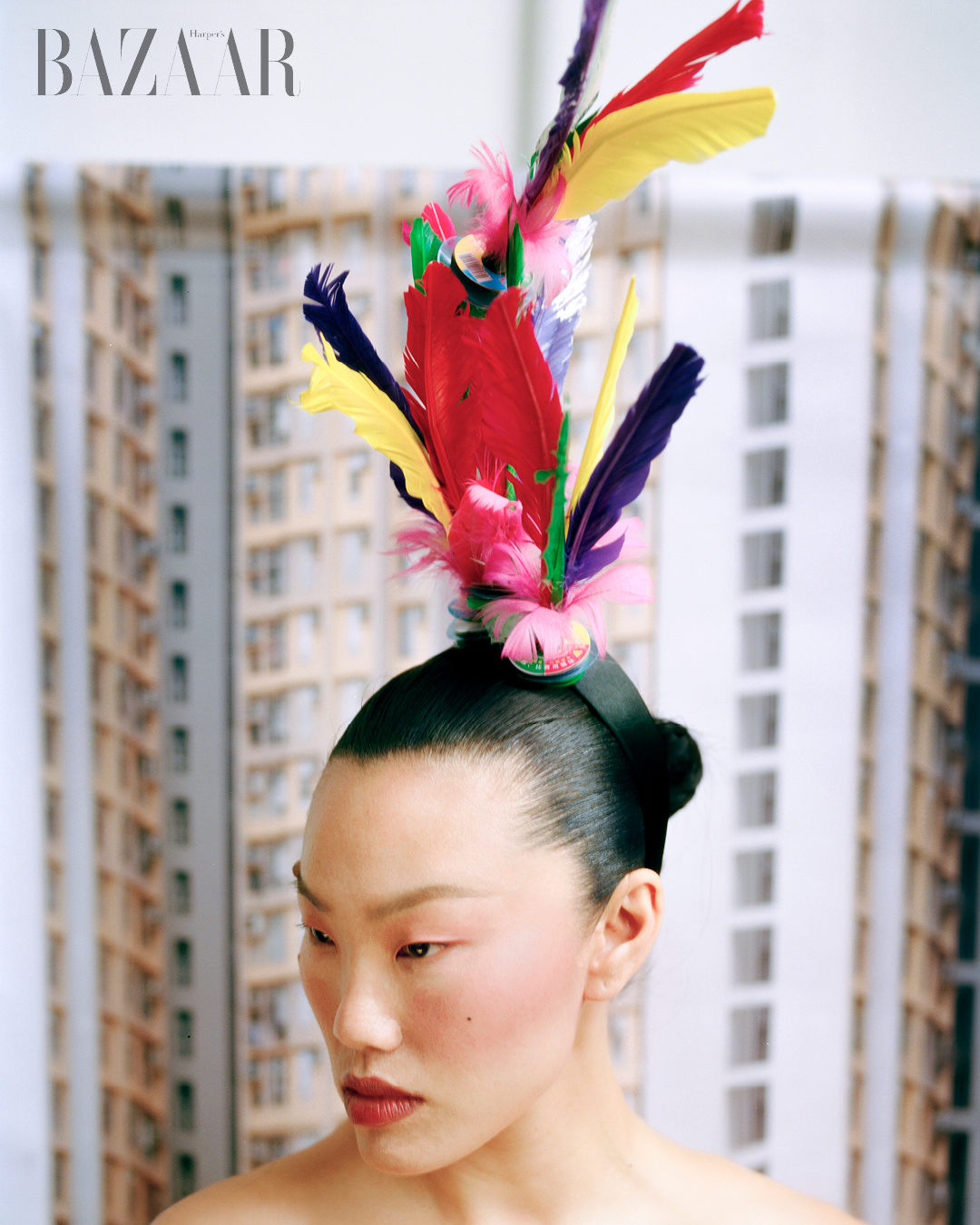
“鄭 (Cheng)” by photographer and stylist Timothy Cheng reflects on family, heritage and aesthetic memory through a contemporary lens. Timothy describes the project as “a way of understanding how my Korean and Chinese background shaped identity,” a starting point that gives the imagery a quiet sense of intention.
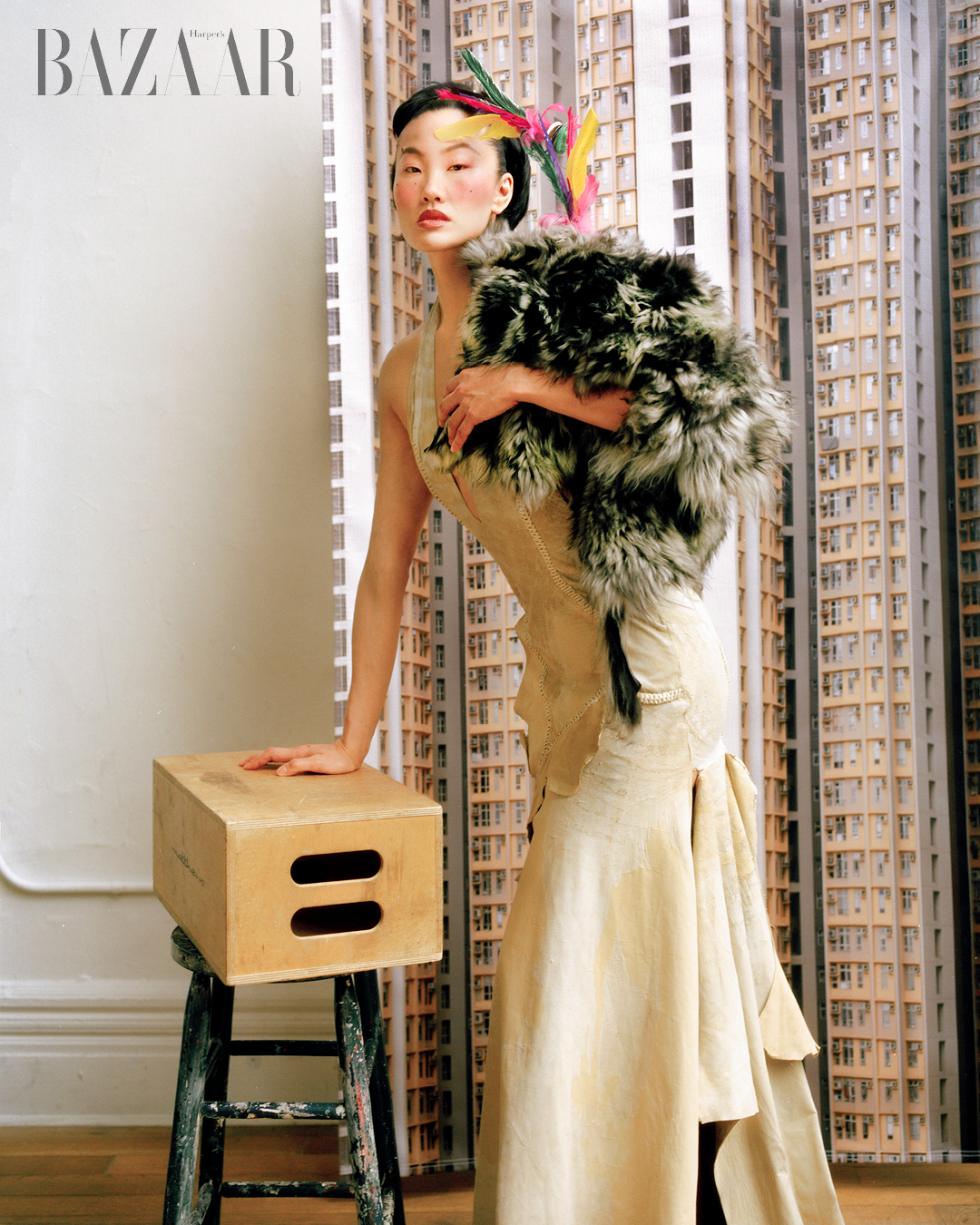
Cultural objects such as jianzi, salted fish and peonies appear throughout the work. Removed from their everyday setting and placed within controlled compositions, they become visual signifiers rather than domestic props. Beauty references drawn from 1960s Chinese cinema create a sense of structured glamour and restraint. Set within modern styling, these elements share the same frame without nostalgia or irony.
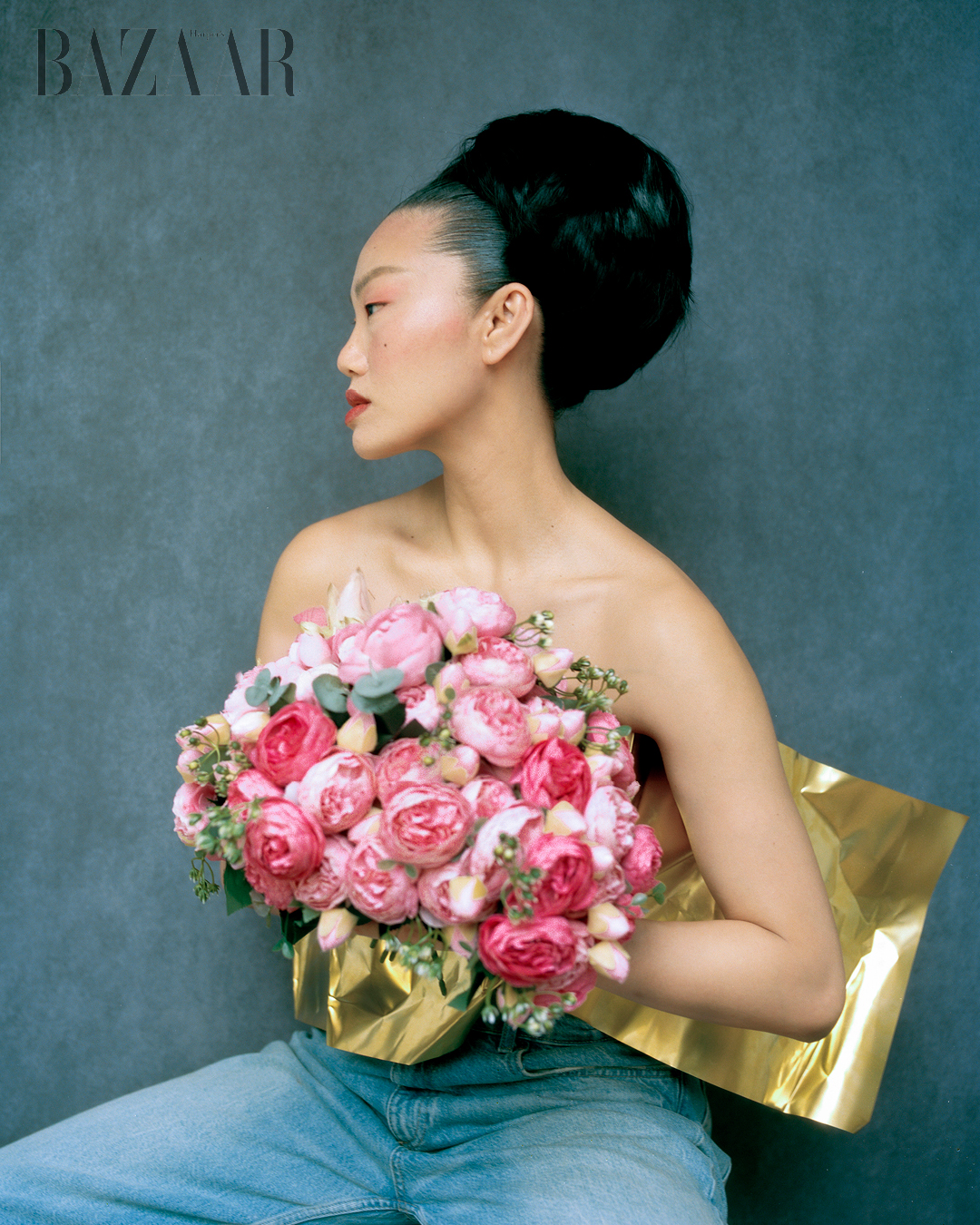
For Timothy, beauty is shaped by lived environments. He grew up with Asian standards that value uniformity and composure, and later worked in New York, where visibility and self-definition are emphasized. He described this contrast as “two ideas of beauty existing at the same time,” a tension that appears in “鄭” through posture, gaze and emotional stillness rather than explicit explanation.
Before arriving at this approach, Timothy spent time working across styling and photography. He observed how small decisions can influence an image, from how hair touches fabric to how clothing settles in a frame. Collaborations with stylists including Paul Sinclaire, Anna Trevelyan and Patti Wilson, and with hairstylist Evanie Frausto, shaped how he thinks about the relationship between roles and final imagery. “Being involved in every stage lets me decide how identity is presented,” he said. “It keeps the concept intact from start to finish.”
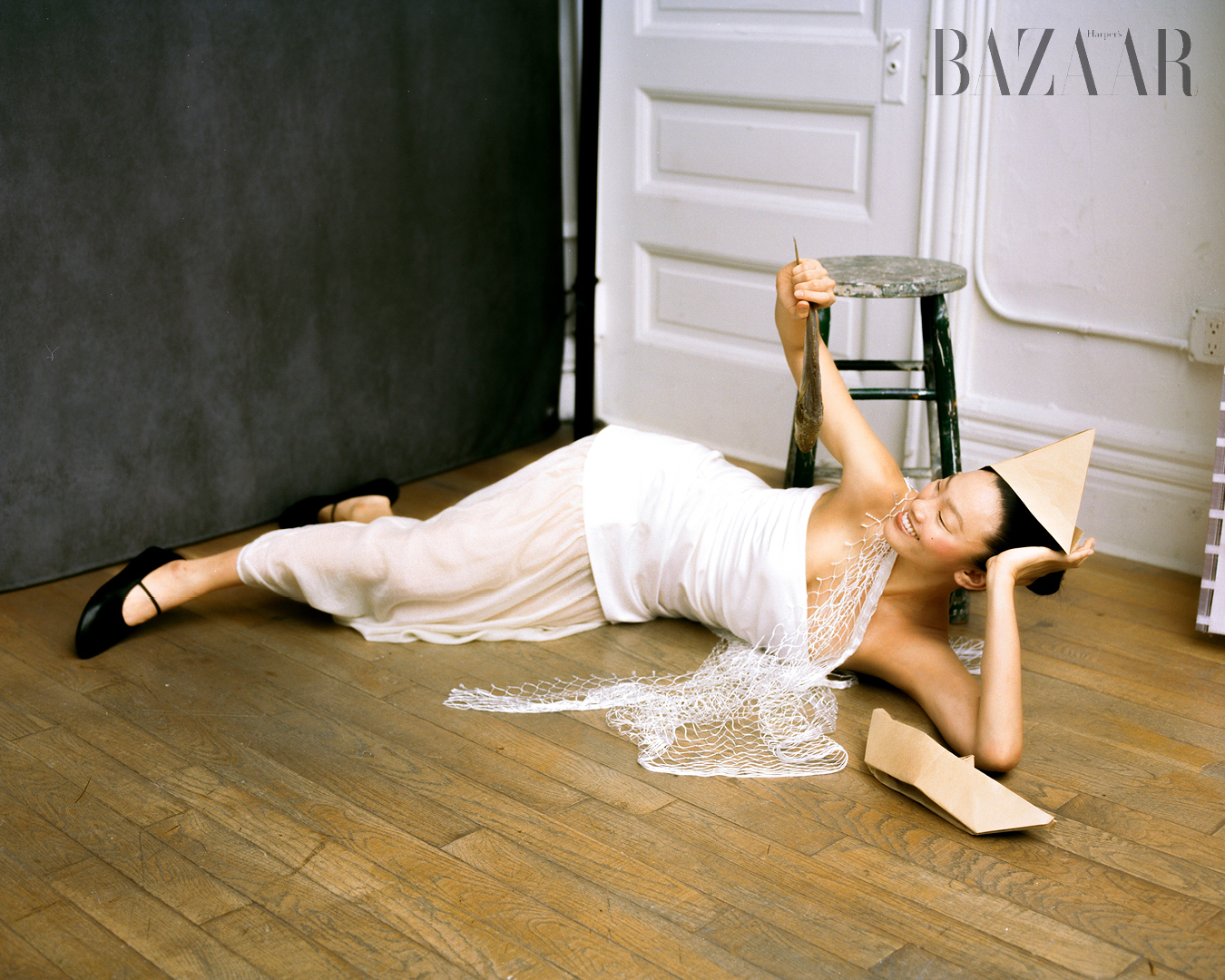
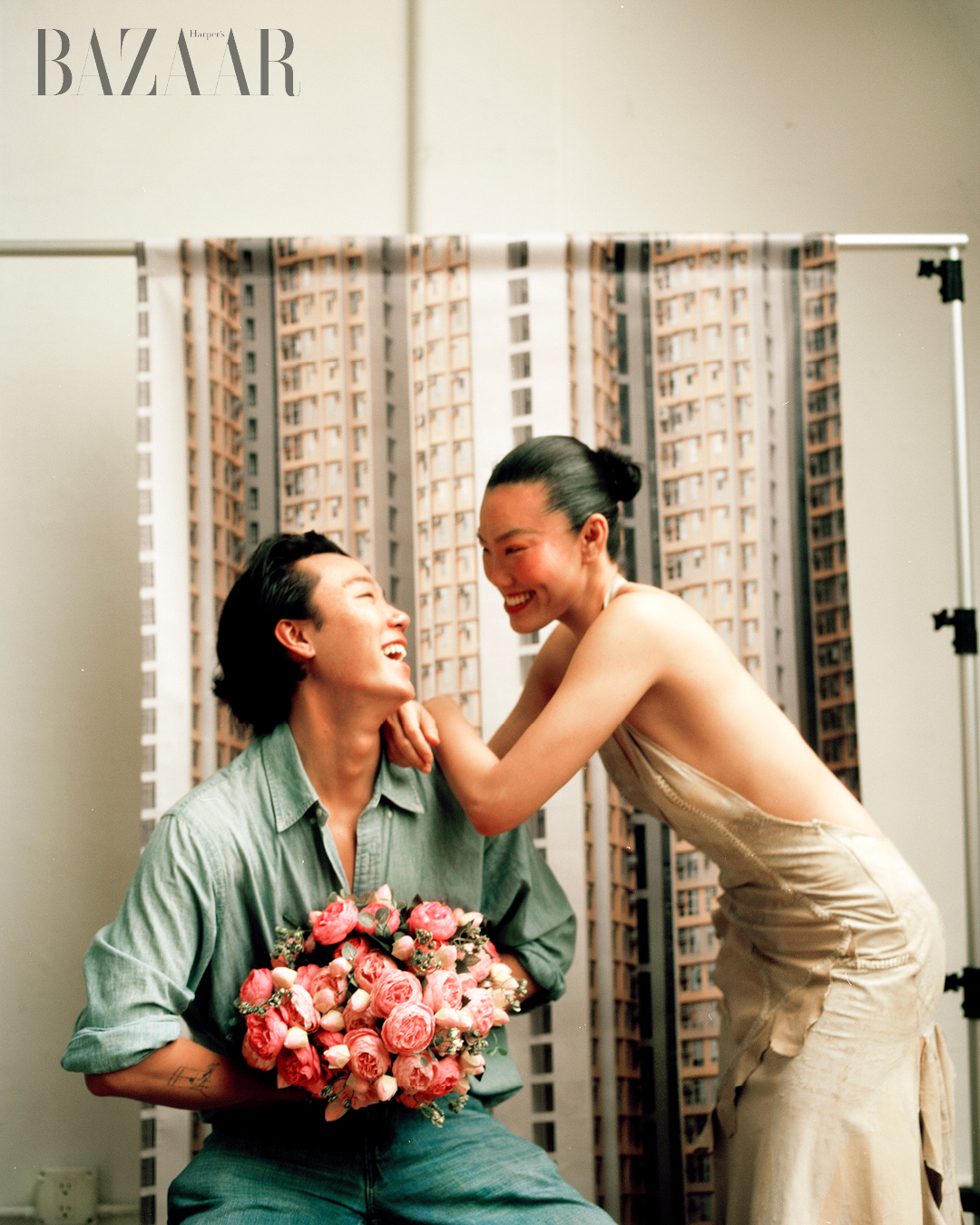
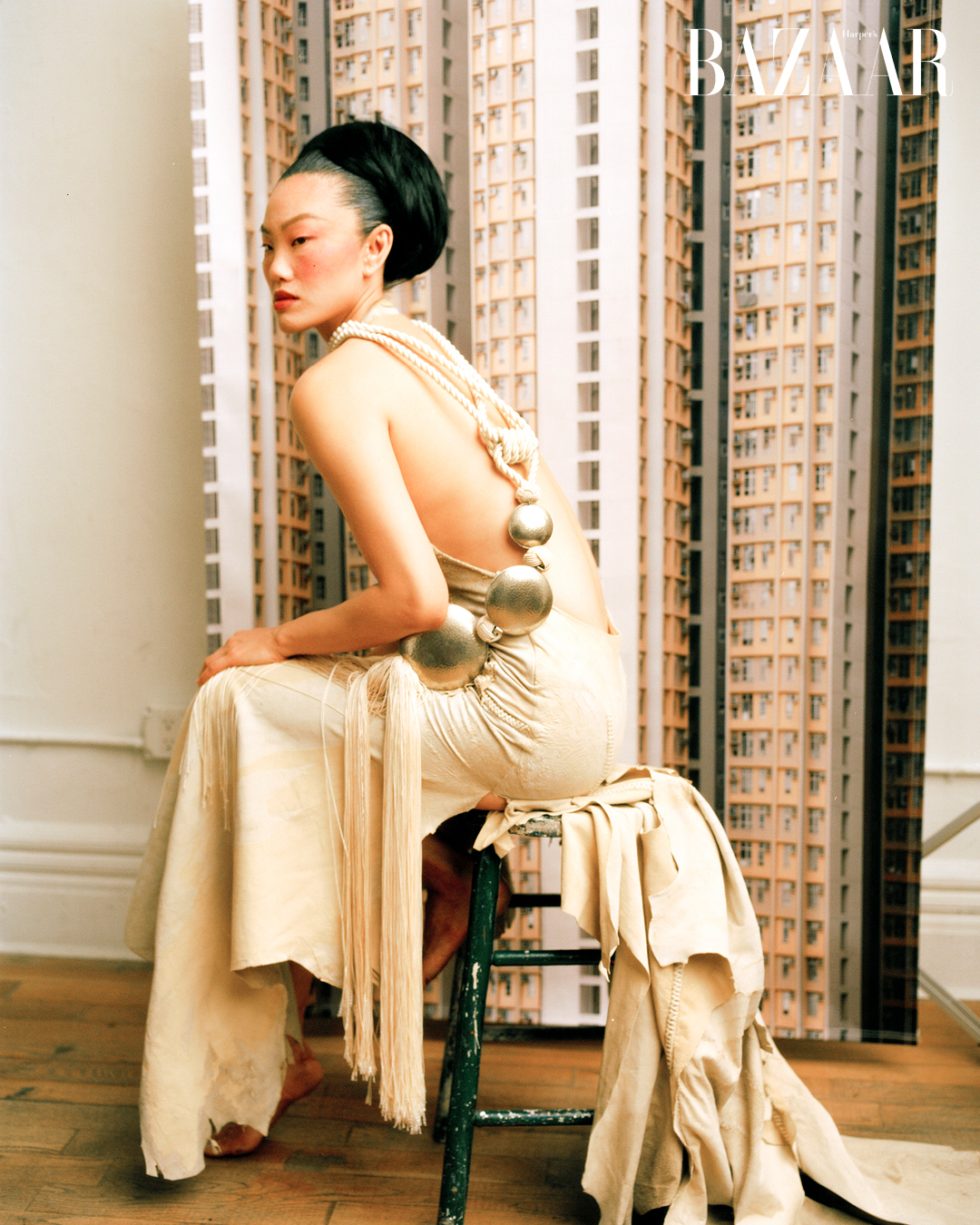
Family enters “鄭” through Timothy’s sister Dorothy Cheng, who appears in the images. Working with her made the cultural material feel lived rather than abstract. Timothy noted that having Dorothy in front of the camera “made everything feel personal in a way styling alone could not,” allowing memory to be expressed through gesture, presence and styling.
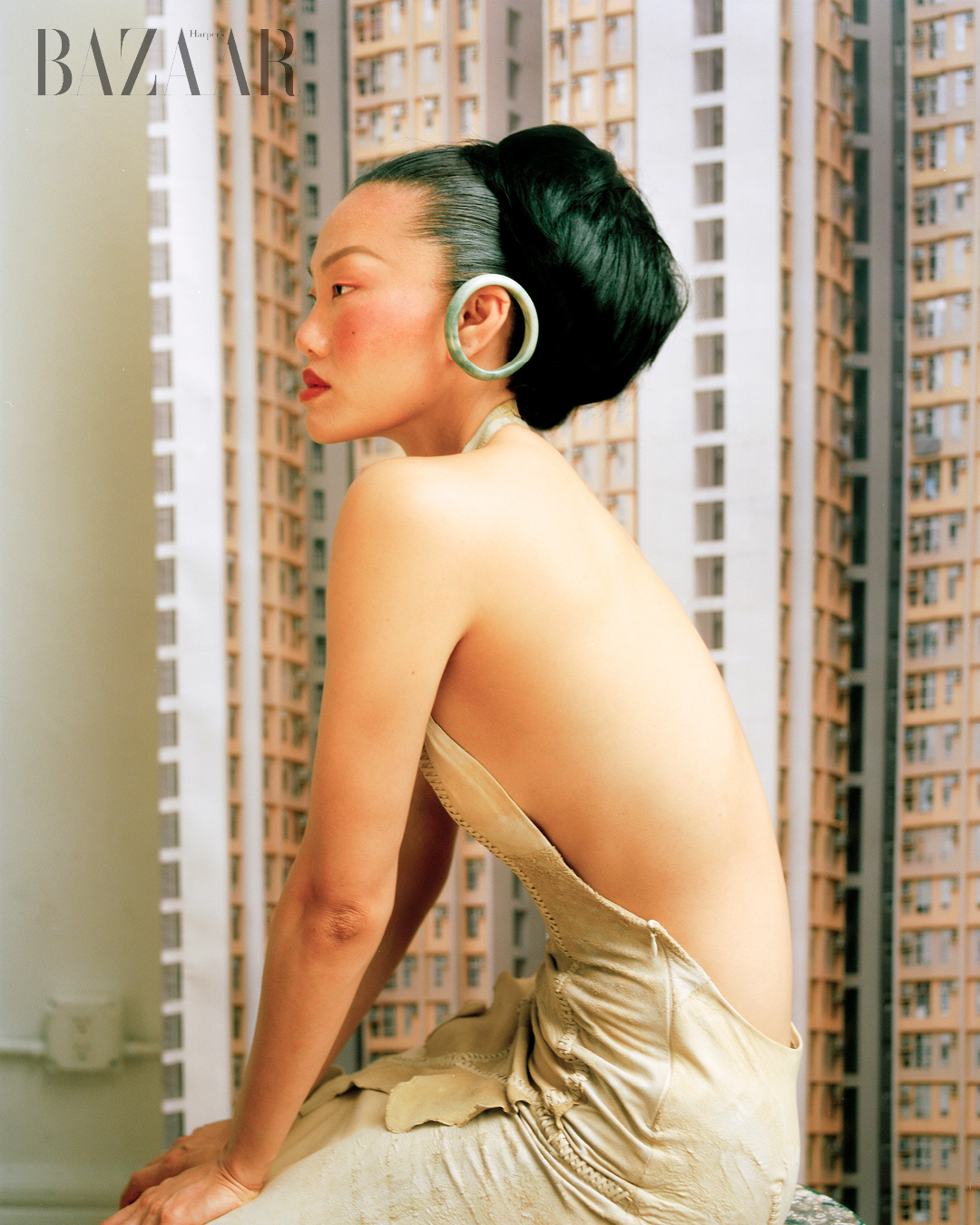
The team behind the camera also reflects Timothy’s interest in Asian visibility within the creative process. His assistant Elita Rattana is Cambodian, and the dress in the images is by Filipino designer Christian Olarte. For Timothy, involving Asian collaborators felt natural given the subject matter rather than functioning as symbolic representation.
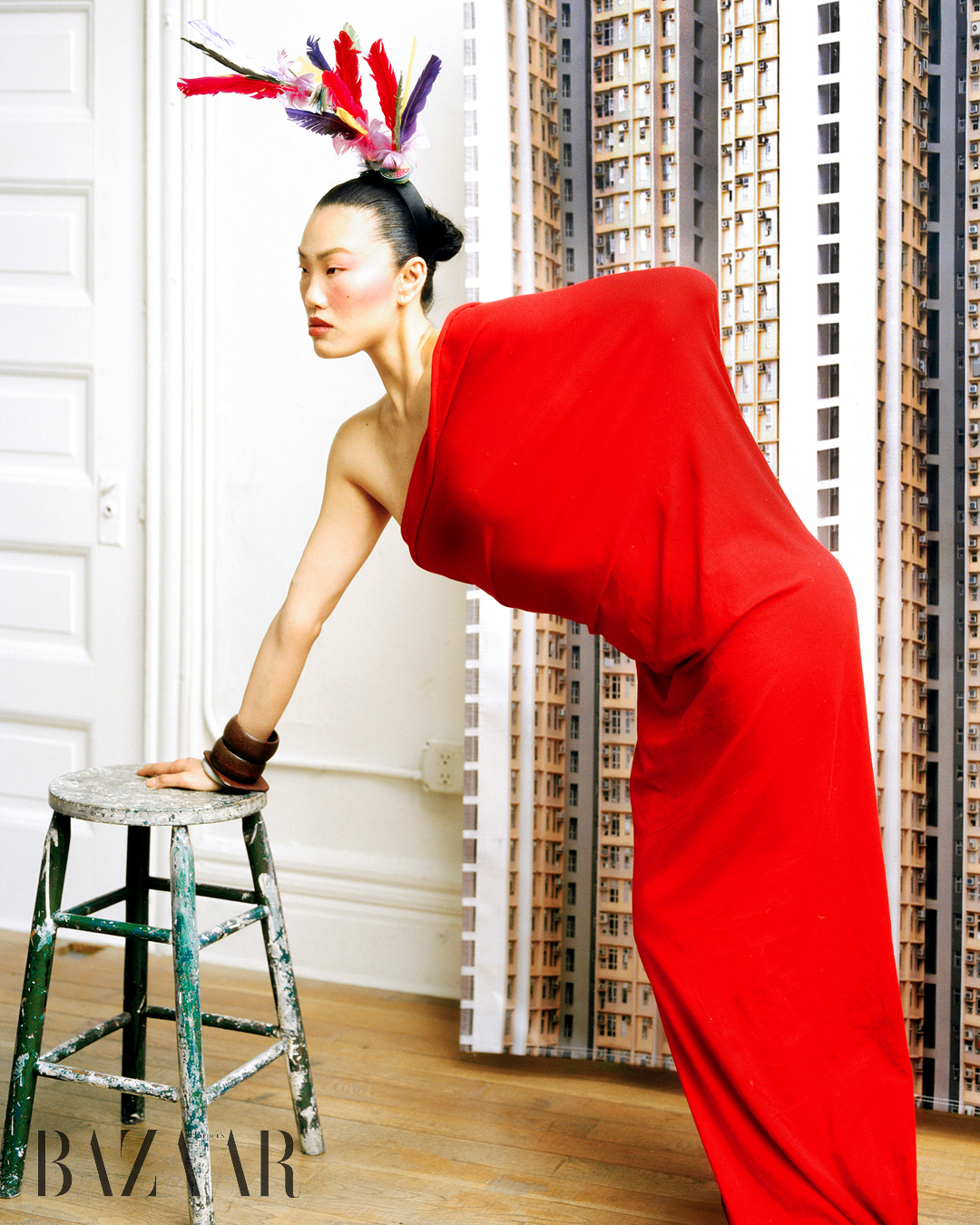
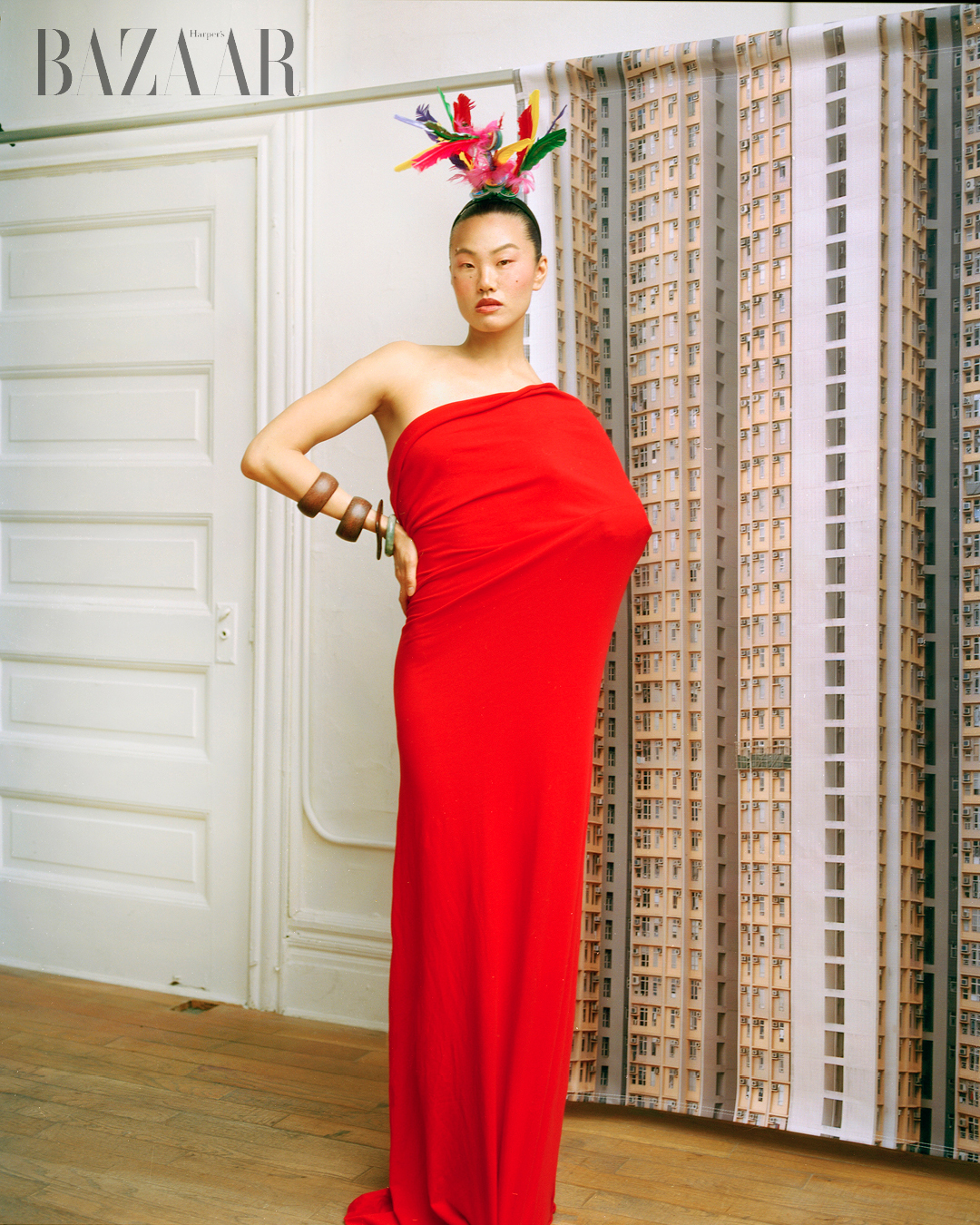
“I hope people feel before defining, and recognize something of themselves in stories that may differ from their own,” Timothy said. The cultural references may be specific, yet the paths in through beauty, family and memory remain wide.
Harper’s Bazaar Việt Nam