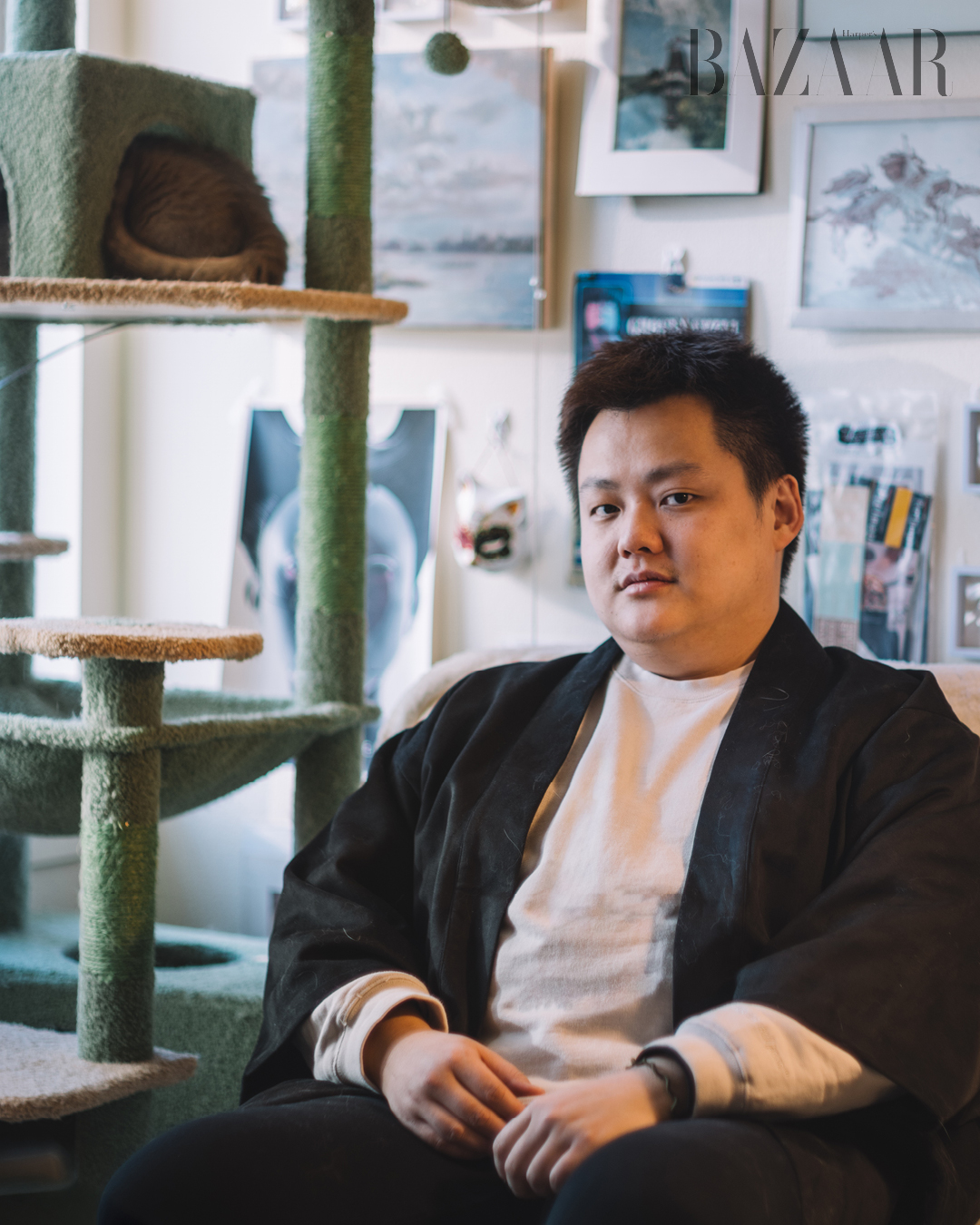
These days, the lines between art, design, and space are more blurred than ever. Junchao Yang doesn’t just move between disciplines. He connects them.
Junchao Yang is a multidisciplinary artist whose creative vision fluidly bridges design, architecture, curation, and education. His Composition series –featured at notable venues including the Oculus in New York – reflects an ongoing pursuit of formal experimentation and visual abstraction. Parallel to his studio practice, Yang has led the design of acclaimed architectural projects such as the award-winning Human Slurp restaurant and the Chapter and Verse hotel, where his aesthetic intuition meets spatial innovation.
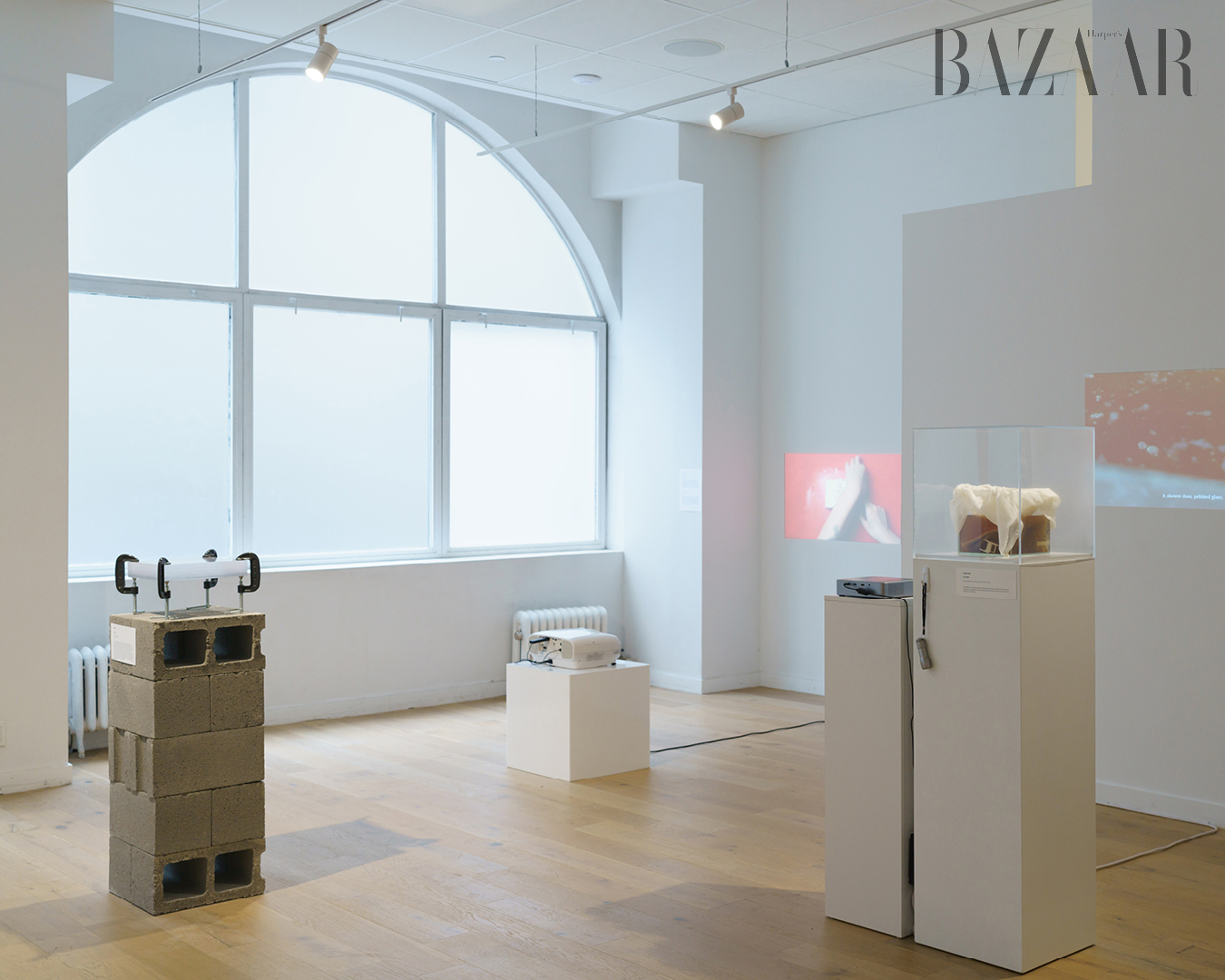
His curatorial voice emerges just as strongly, with concept-driven exhibitions like Forma Calli and Materialism in Reminiscing presented at respected institutions including Blanc Gallery. This same spirit of exploration and synthesis drives his work as Senior Product Designer and Lead UX Designer at HP Inc., where Yang applies his artistic sensibility and cross-disciplinary expertise to create next-generation software experiences, AI-powered PC interfaces, and high-end peripherals.
Building on these creative and professional endeavors, Yang has shared his cross-disciplinary insights at universities across China and the United States, including Huazhong University and the University of Washington. Weaving these roles together, Yang continues to explore the friction and harmony between disciplines; each practice informing the next in an evolving dialogue of ideas and form.
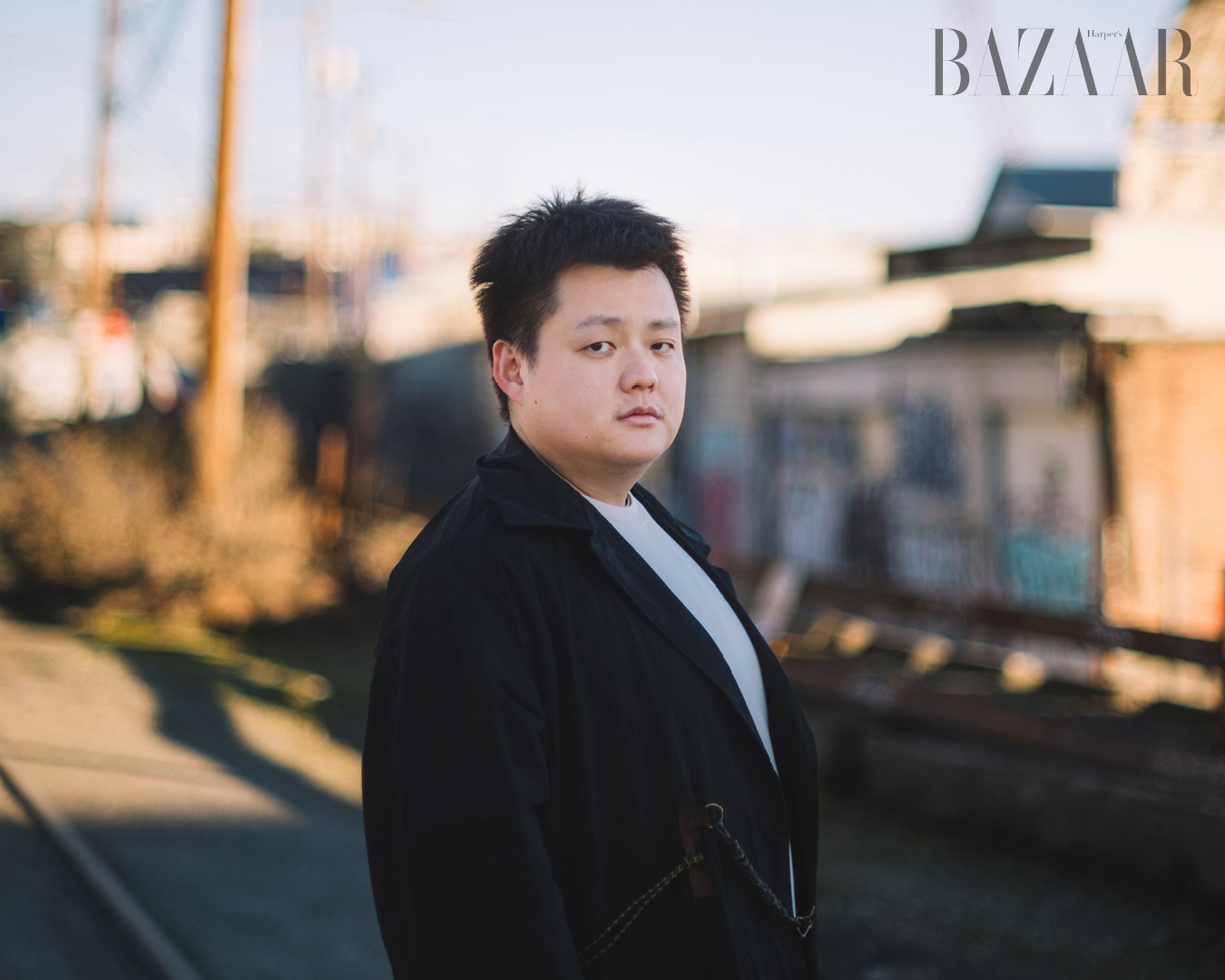
Harper’s Bazaar Vietnam (HBZVN): Your work spans architecture, product design, and art installations. What unique perspectives has this interdisciplinary approach brought you?
JUNCHAO YANG: Working across different domains while mastering diverse creative tools has made me more attuned to the inherent limitations of each field. This cross-disciplinary mindset allows me to approach every project as an integrated solution.
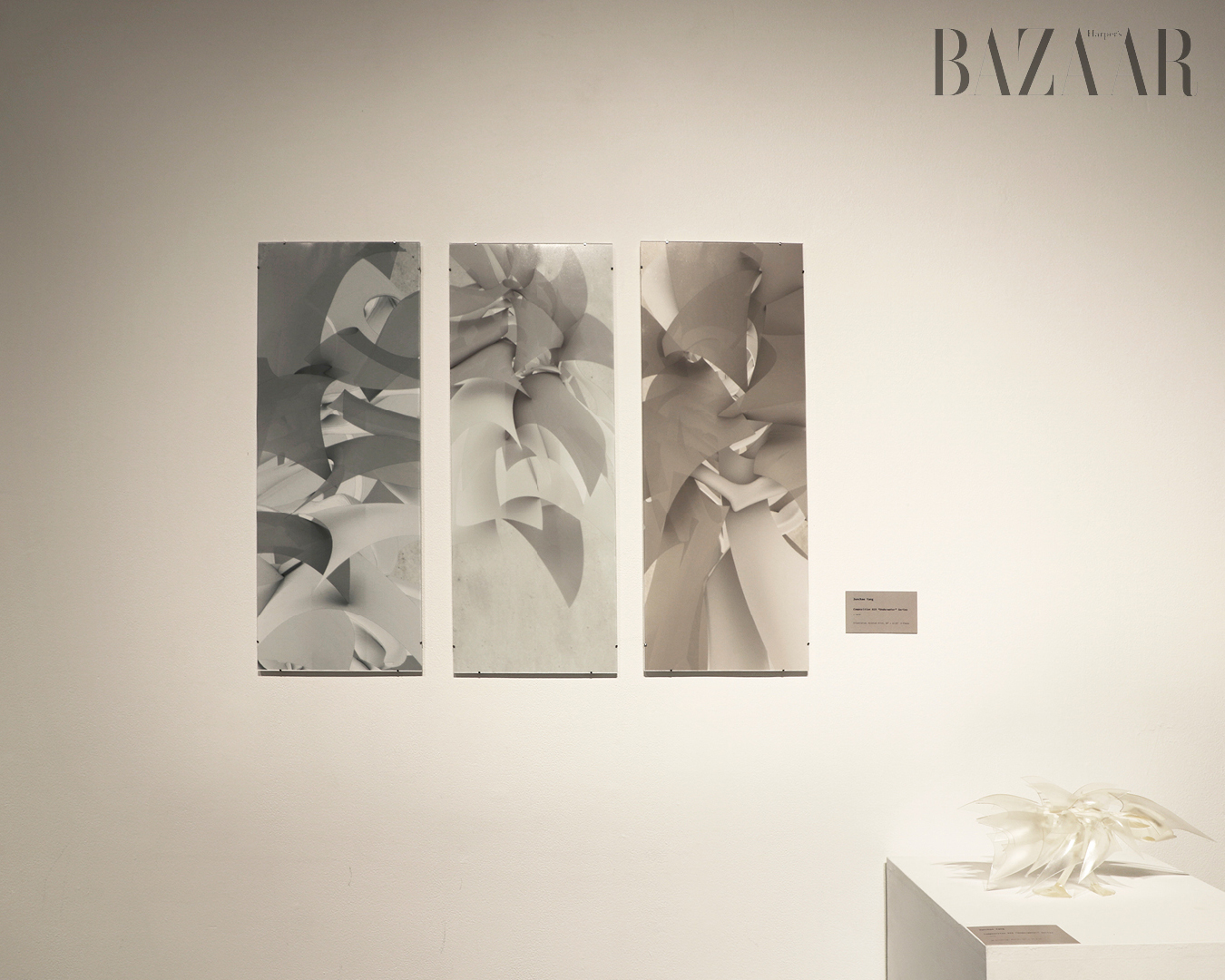
For example, my Composition series reflects this mindset. These works extract and recontextualize compelling visual elements discovered during my design workflows, creating a visual dialogue between my professional practice and personal artistic language, – something neither discipline could achieve alone. This mindset not only enriches my creative work but also directly informs my approach to developing user-centered, innovative products in the industry.
HBZVN: What role does cultural identity play in your creative work? Are there particular cultural concepts that influence your design philosophy?
JUNCHAO YANG: My heritage gives me a deep appreciation for subtlety and intangible qualities that are often overlooked in today’s culture, which tends to favor bold statements and formal exaggerations. While I don’t follow a specific ideology, Taoist concepts like wu wei – effortless action –significantly shape my perspective. They encourage me to strip away the unnecessary and focus on what truly matters.
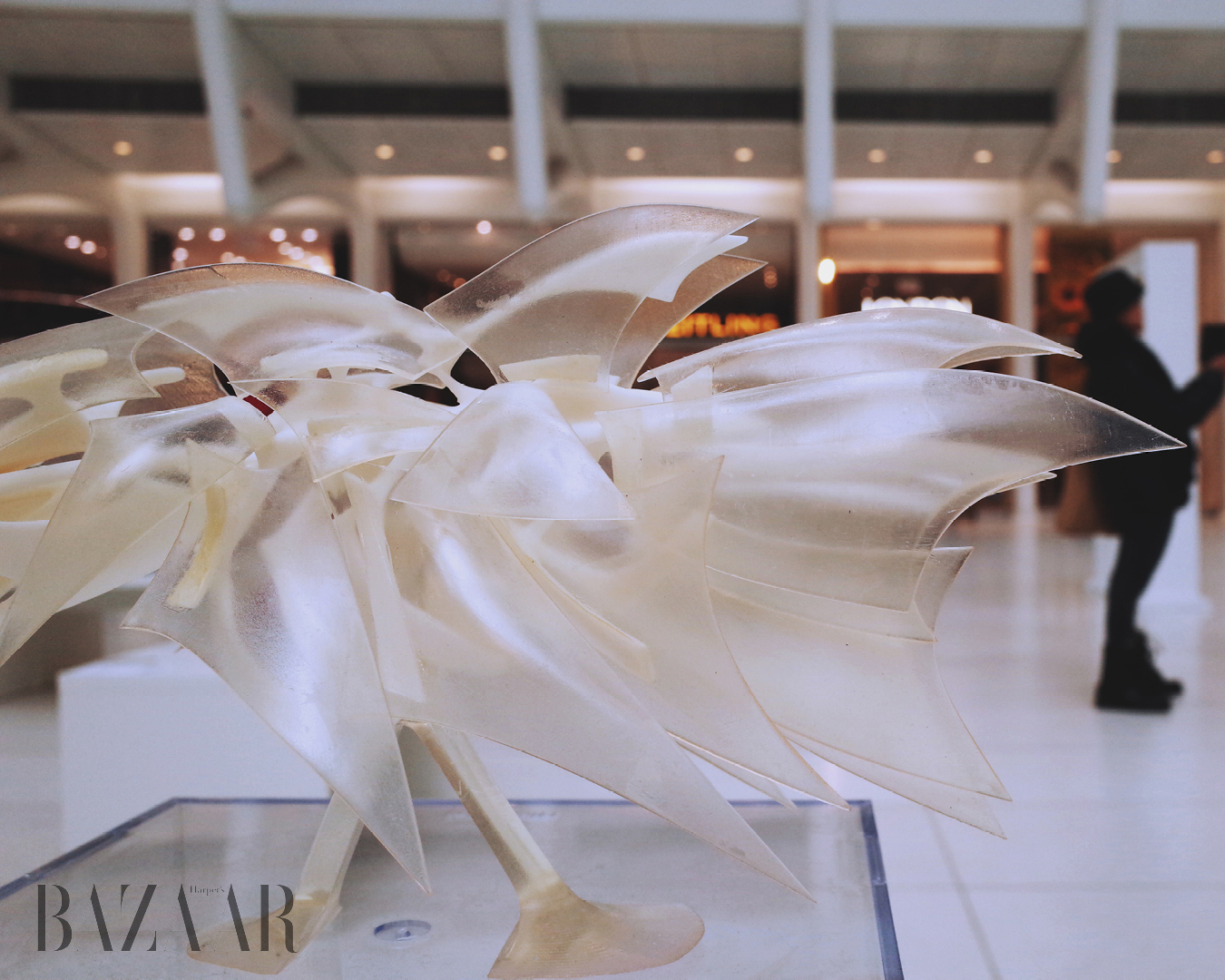
Two works in particular, Composition 17 and Composition 29, exhibited at Oculus, were inspired by mythical creatures from Taoist mythology.
HBZVN: As someone active in both commercial practice and personal creative work, how do you balance the two? How do they influence each other?
JUNCHAO YANG: As a product designer, commercial projects keep me focused on user needs, practical research, and efficient solutions. My art, in contrast, starts with open-ended exploration and is deeply personal, – often beginning without a clear goal until something captures my attention.
Despite their differences, both rely on a deep understanding of human nature. Commercial work grounds me in real-world relevance, while art offers emotional depth and unexpected insights. The two feed into each other: constraints in commercial work sharpen my creativity, while artistic freedom expands the possibilities I bring to client projects.
HBZVN: Your Composition series has been featured in multiple exhibitions. Can you share more about your creative process and what inspires this series?
JUNCHAO YANG: The Composition series is an ongoing exploration of visual abstraction drawn from everyday observations. I start by identifying forms, textures, or spatial relationships that emerge naturally during my workflows. From there, I distill them into abstract compositions. Some works are emotional responses to fleeting moments; others are more technical: experiments in materiality or digital manipulation. This combination of intuitive and analytical approaches helps me build a visual archive of personal investigation and formal experimentation.
HBZVN: You’ve taught at institutions in both China and the U.S. What key concepts do you emphasize when working with students? How has teaching influenced your work?
JUNCHAO YANG: I always begin with tools: teaching students how to navigate digital platforms, such as 3D modeling and parametric design. Once they master the technical aspects, these tools become transparent extensions of their creativity. That’s when true expression begins.
Teaching has greatly enriched my practice. Students often use tools in fresh, intuitive ways that surprise me. Their perspectives open new doors in my workflows. Additionally, having to explain complex concepts forces me to clarify and deepen my understanding, benefiting both my art and commercial work, including projects with companies like HP.
HBZVN: What does curation mean to you? How do you approach it in exhibitions like Forma Calli?
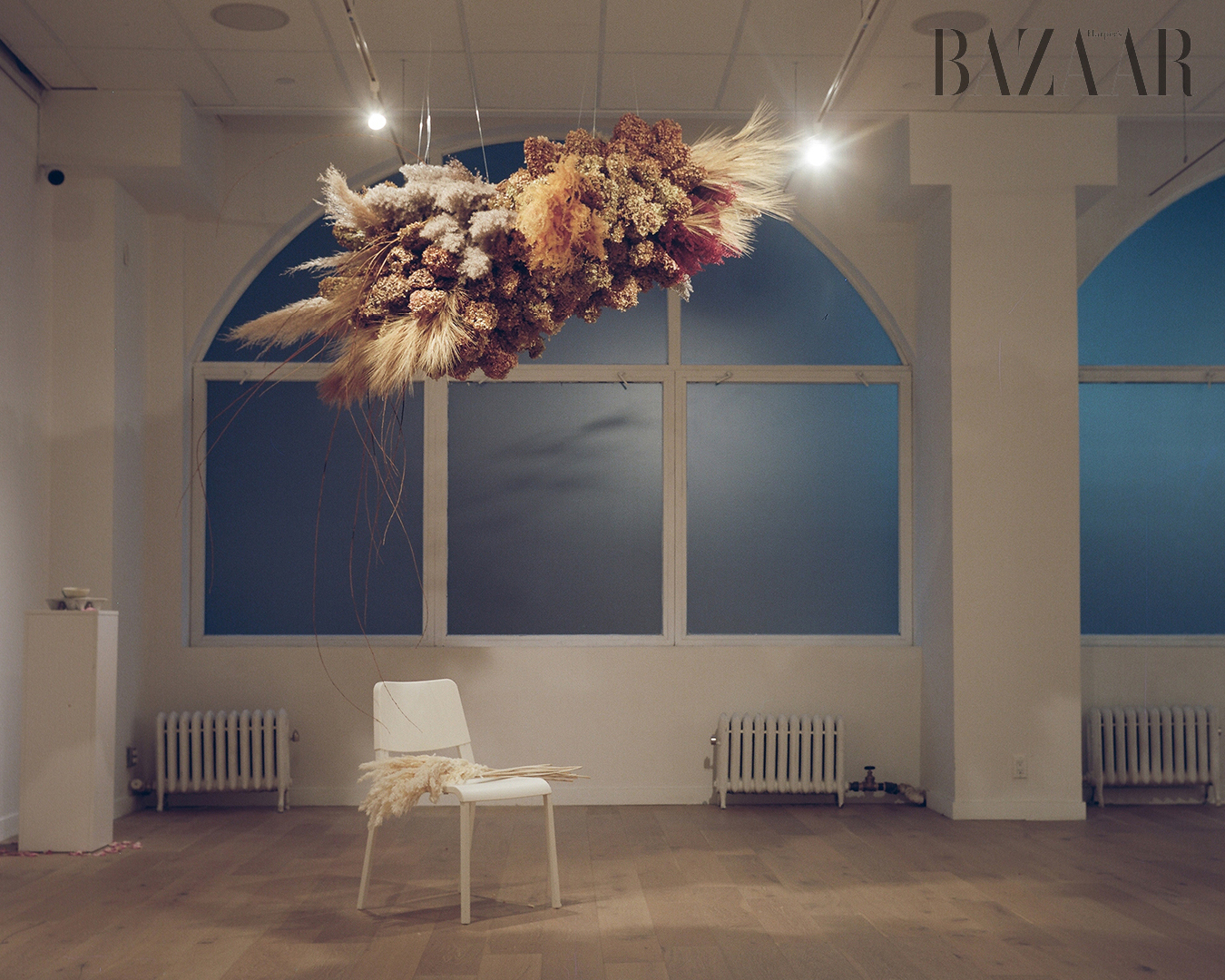
JUNCHAO YANG: Unlike commercial projects or my art, curation requires collaborative conversations with other artists. It’s about uncovering shared ideas and subjective connections. With Forma Calli, for instance, I worked closely with floral artist Zi to reframe flowers; not as decorative elements, but as protagonists in their narratives.
My role in these projects is to facilitate rather than direct: to create spatial frameworks that elevate each artist’s voice while also generating collective meaning. It’s become one of the most rewarding forms of learning for me, getting a glimpse into others’ creative processes and conceptual thinking.
HBZVN: What’s been the most challenging part of maintaining excellence across multiple creative domains?
JUNCHAO YANG: The biggest challenge is navigating the differing standards of success. In product design, success is often measured by user satisfaction. In art, it’s about authenticity and cultural contribution. Architecture falls somewhere in between. It allows for some creative flexibility but remains grounded in functionality. What helps me is being able to translate insights between disciplines. Research methods inform my curatorial work from design. Artistic experimentation leads to more inventive commercial solutions. This synthesis produces results that wouldn’t be possible within a single domain.
HBZVN: Among your award-winning and exhibited projects, what principles or methods make your work stand out?
JUNCHAO YANG: Across all my projects, from the Human Slurp restaurant to exhibitions at the Oculus and Blanc Gallery, the consistent principle is sensitivity. Rather than chasing superficial aesthetics, I focus on the underlying elements. Whether it’s observing culinary culture or identifying visual motifs in my workflows, I rely on patient observation. Only then do I transform those findings into thoughtful, impactful outcomes.
HBZVN: What recent design project are you most proud of, and how did it reflect current trends or anticipate future needs in your field?
JUNCHAO YANG: I’m most proud of a recently launched product called the HP app, where I unified and enhanced many of HP’s fragmented digital experiences into a single, comprehensive platform as lead product designer. Through this platform, I am also crafting AI-powered personal computing experiences that are humble yet helpful. Regardless of the hype surrounding AI, I refuse to force it into every feature. Instead, I focus on identifying specific pain points within natural user workflows where AI creates fundamental improvements.
HBZVN: Based on your interdisciplinary experience, how do you view the impact of generative AI on traditional art and design?
JUNCHAO YANG: In The Projective Cast, Robin Evans discussed how architectural drawing tools shaped what architects could imagine: tools didn’t just record design; they directed it. Gen AI is shifting that dynamic. It allows creators to bypass some of those constraints by working through natural language, placing more emphasis on human intention.
But there’s a risk. Gen AI often converges toward dominant patterns or aesthetics, which could lead to homogenization. The unique “accidents” and constraints of older methods were often the source of innovation. Artists must be mindful of preserving those unexpected moments that give work its individuality.
Harper’s Bazaar Vietnam