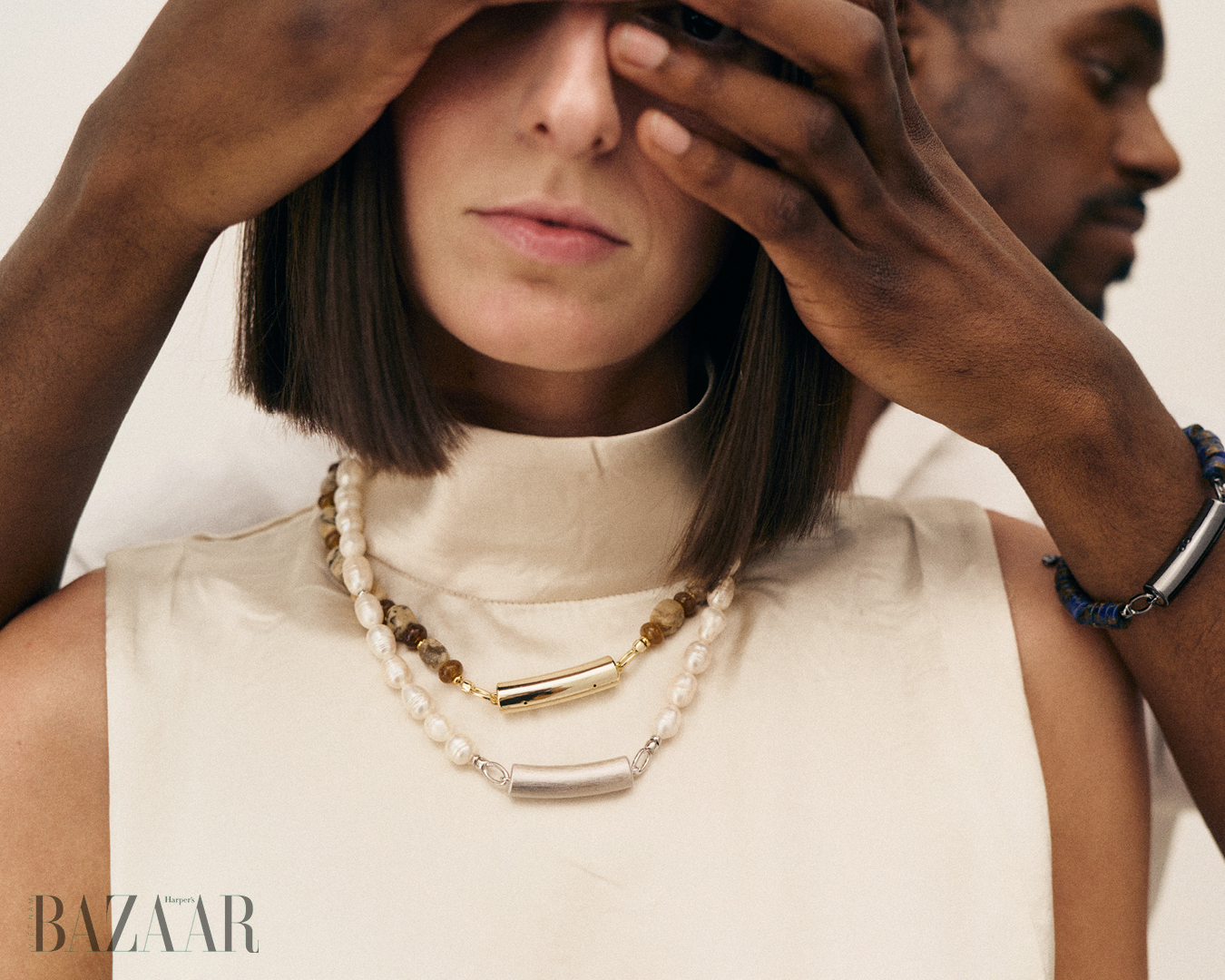
Since launching her namesake brand, HANYING, in London, Hanying Hu has developed a design language shaped by romanticism, her Chinese background, and a recurring interest in softness, imperfection and pearls.
HANYING has since appeared at Paris and Shanghai Fashion Weeks, worked with international retailers, and built a growing presence across Europe and Asia. Through the brand, Hanying has continued to explore how jewelry can carry memory, identity and emotion beyond its decorative role.
That exploration now continues with Nirva, the AI wearable brand she co-founded. Bringing together jewelry, design and technology, Hanying is looking at how wearable objects can become more personal, responsive and connected to everyday life.
Design, emotion and curiosity continue to shape the way she thinks about what we wear, and what those objects can come to mean in our everyday lives.
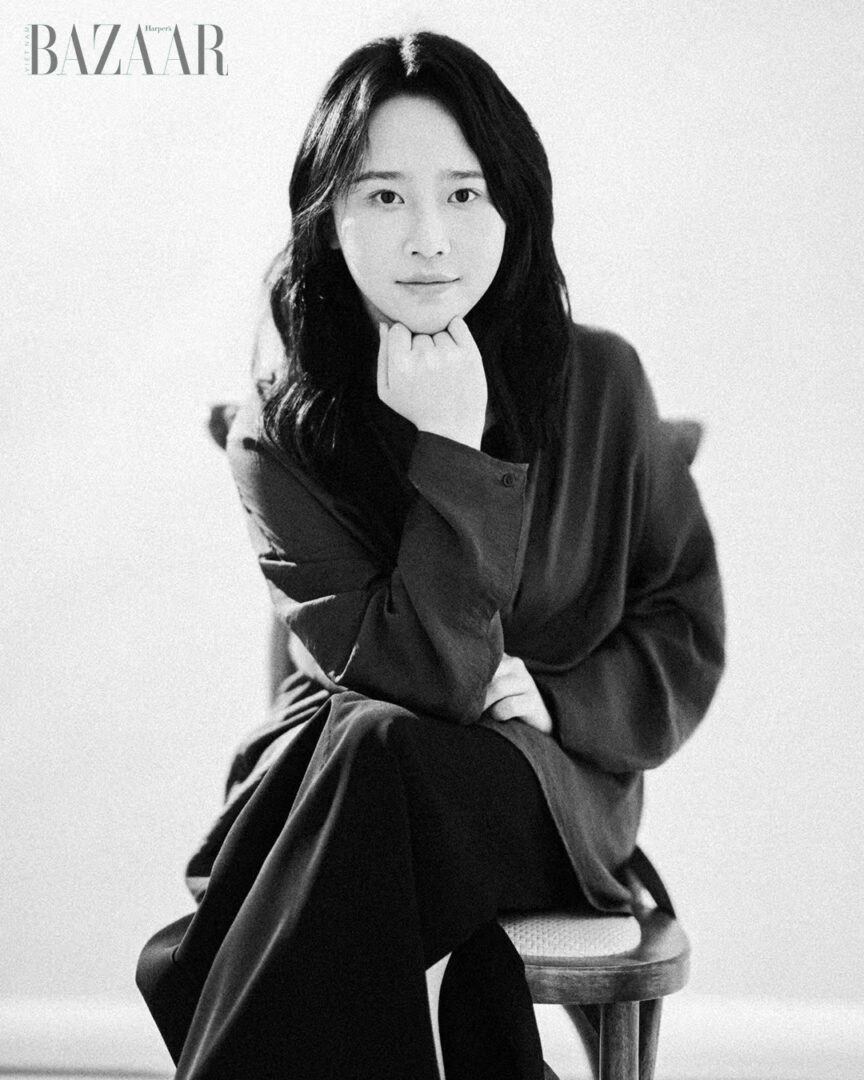
Harper’s Bazaar Vietnam (HBZVN): What inspired you to start HANYING, and what did you want to create with the brand?
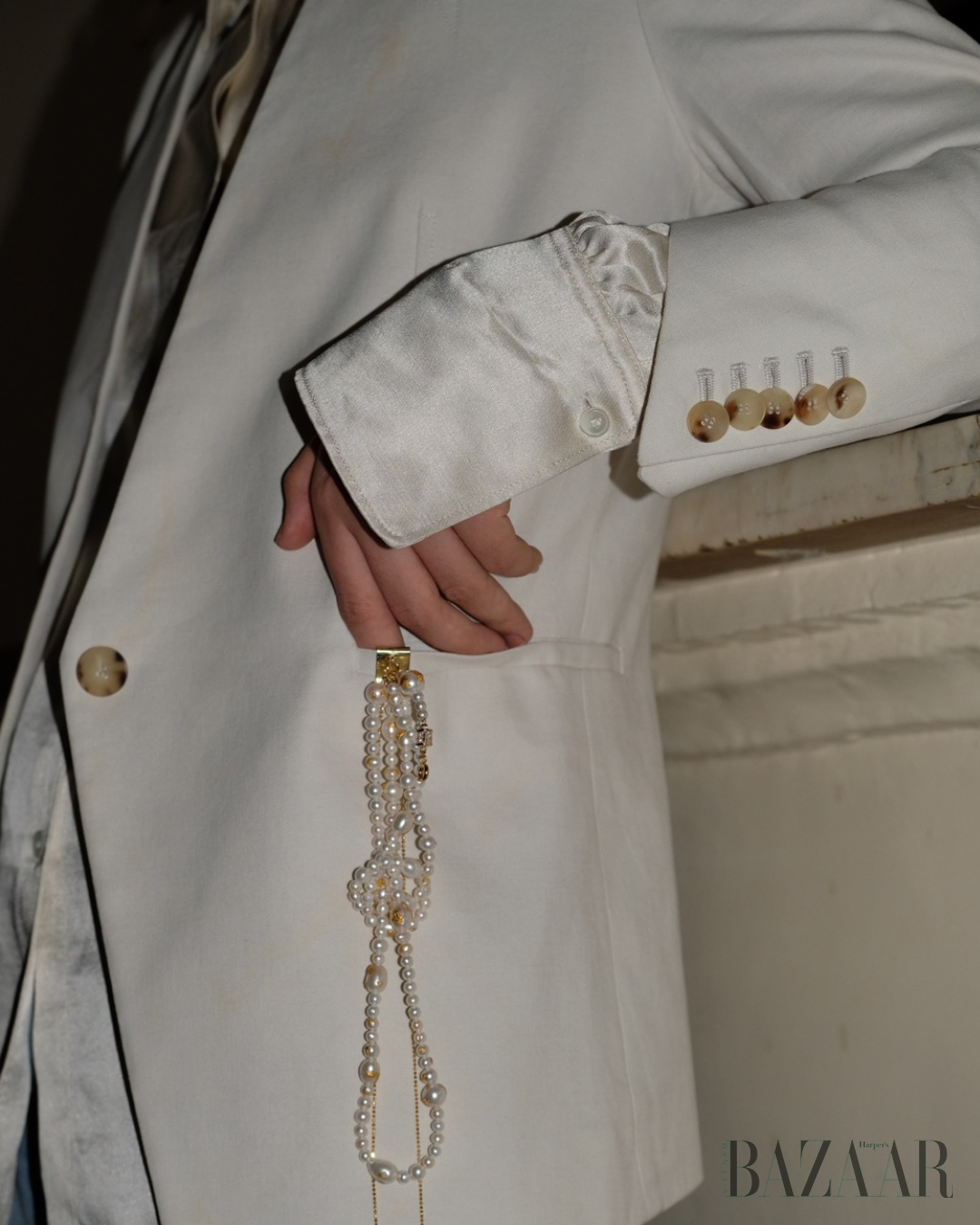
HANYING HU: I started HANYING while I was studying jewelry design in London. An early turning point was being invited to create custom pearl brooches for Westlife’s tour, which made me realize that something very personal could also connect with a much wider audience. I wanted HANYING to feel feminine and romantic, but never too perfect or conventional. To me, it is about a kind of female soft power: gentle, sensitive, sometimes even overly sensitive, but never a weakness. In the same way, imperfection has its own beauty. Rather than chasing perfection, I wanted to create objects that carry emotion and memory, bringing together influences from my Chinese background and my experience living in Europe.
HBZVN: Looking back, what have been some of the most meaningful milestones in building HANYING?
HANYING HU: What meant the most was seeing something that started while I was still a student gradually become a real business. We went from the first Westlife commission to showing during Paris and Shanghai Fashion Weeks, working with world-class stylists and retailers, opening a flagship store and pop-ups, and seeing the pieces worn by people I had admired for years. Each stage taught me something different, not only about design, but also about how the fashion industry works and what it really takes to build a brand from the ground up.
HBZVN: What has shaped your creative perspective and design language over the years?
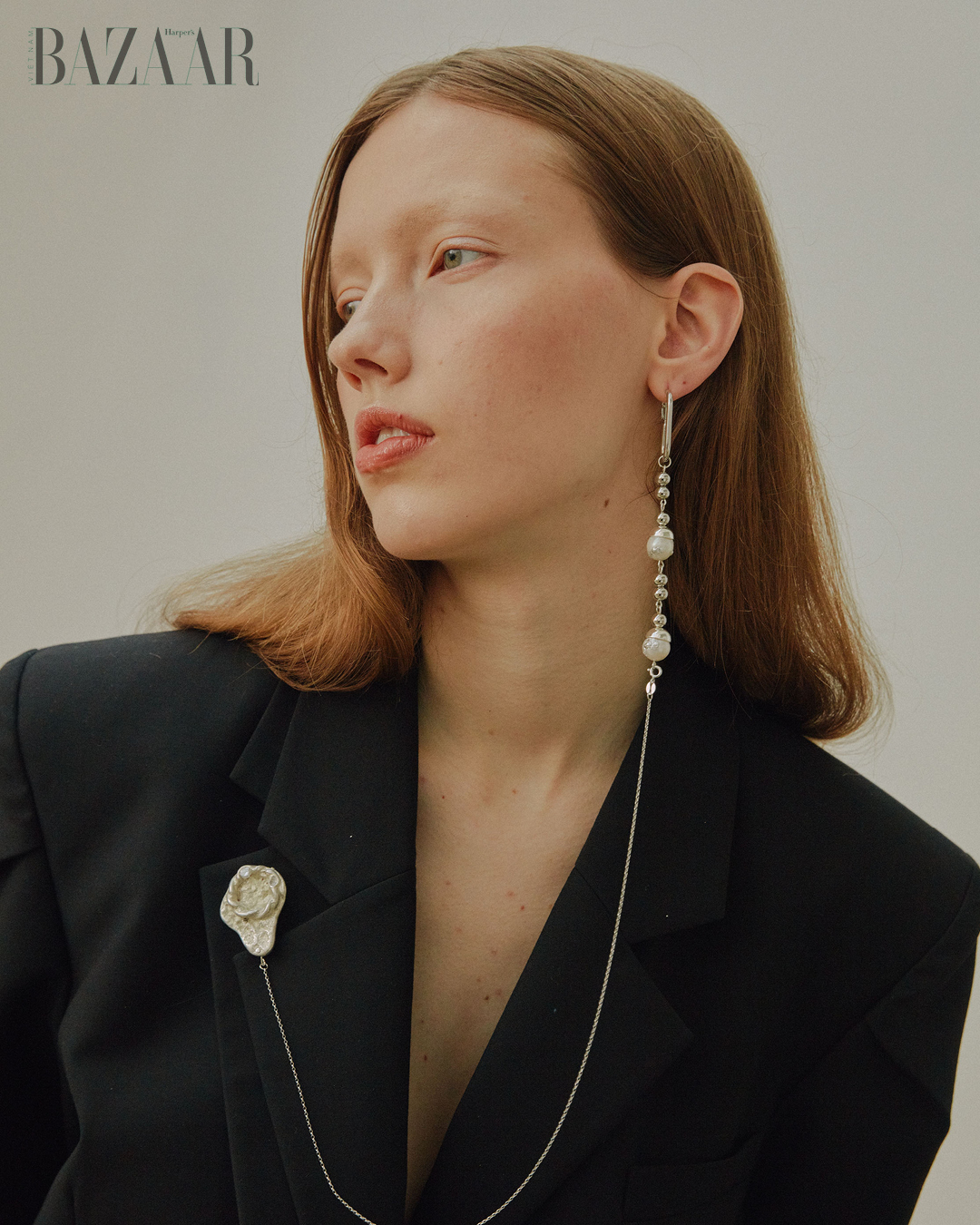
HANYING HU: I’ve always been drawn to contrasts: softness and strength, perfection and imperfection, Eastern and Western references. My experience at Simone Rocha deepened my interest in femininity and romanticism, while my Chinese background kept bringing me back to traditional materials and craft. Pearls, especially those connected to my hometown in Zhejiang, became a recurring element in my work. Over time, I became less interested in defining one fixed aesthetic and more interested in how an object can carry emotion, memory and identity for the person wearing it.
HBZVN: What first made you want to explore a field beyond fashion and jewelry, shifting into technology?
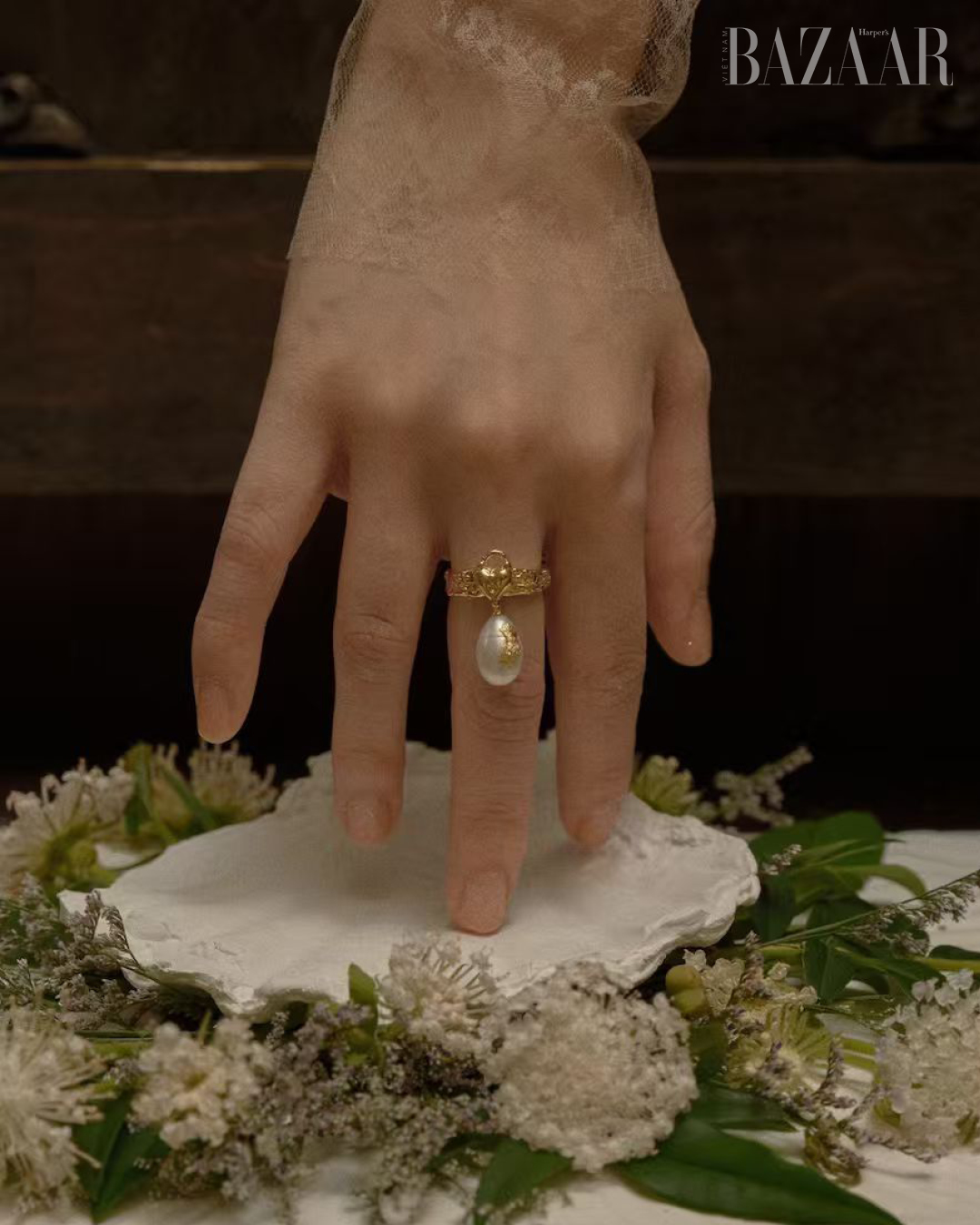
HANYING HU: I never really saw fashion as a closed world, or felt that I had to define myself by one industry. In jewelry, I always wanted each piece to be a vessel for emotion, something people become attached to because it holds a memory, a feeling or a part of who they are. But a traditional piece of jewelry can only hold those emotions symbolically. When I started working on AI jewelry, I found that it could actually carry them. Worn every day, it can capture moments from your day, pick up on how you sound and feel, and help you notice emotional patterns you might otherwise miss. It can reflect back how you communicate and help you become more confident and more aware of yourself over time. What really drew me in was that this kind of technology can change people’s lives in a very real way, not just sit beautifully on the body.
HBZVN: What was the biggest change for you when you began working in such a different world with people from completely different backgrounds?
HANYING HU: Probably learning a completely new way of thinking and communicating. In fashion, intuition, emotion and visual judgment can drive a lot of decisions. In hardware, every idea is also connected to engineering constraints, performance, timelines and many technical trade-offs. At first, those approaches can feel very different. But over time, I realized they can actually make each other stronger. I’ve learned to explain creative intuition more clearly, while also becoming much more comfortable working within constraints and understanding why they can sometimes lead to better design.
HBZVN: How has moving between different industries changed the way you think about creativity and entrepreneurship?
HANYING HU: It made me realize that creativity is much more transferable than I used to think. Industries have different languages and processes, but many of the fundamental questions are the same: what do people care about, what problem are we really solving, and why would someone choose to bring this product into their life? Entrepreneurship also teaches you not to become too attached to the way things have traditionally been done. Moving between industries has made me much more interested in intersections, because that is often where new possibilities appear.
HBZVN: What drew you to Nirva, and what made it feel like the right next chapter for you?
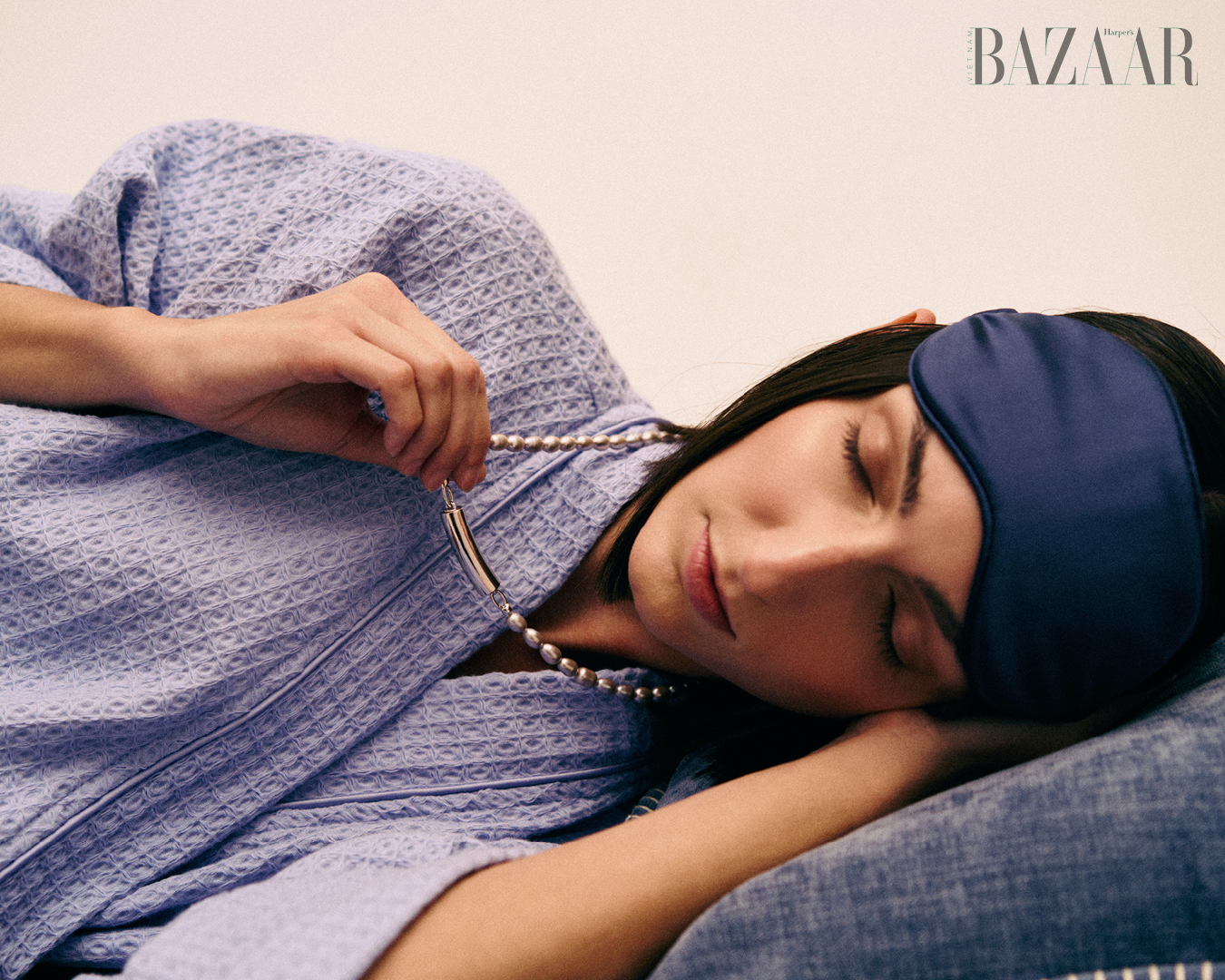
HANYING HU: Everything came together at the right time, and Nirva became a natural next chapter. By chance, I moved to California, and I was lucky to meet my co-founder there. Fashion taught me to think about human emotion and refined aesthetics, and about how an object can be given both feeling and beauty. In technology, all of that matters just as much. With anything worn on the body, proportion, material, comfort and the relationship between the object and the person are essential. At Nirva, I could bring that thinking in from the very beginning, rather than treat aesthetics as something added after the technology is finished. That is why I believe we can create something truly different.
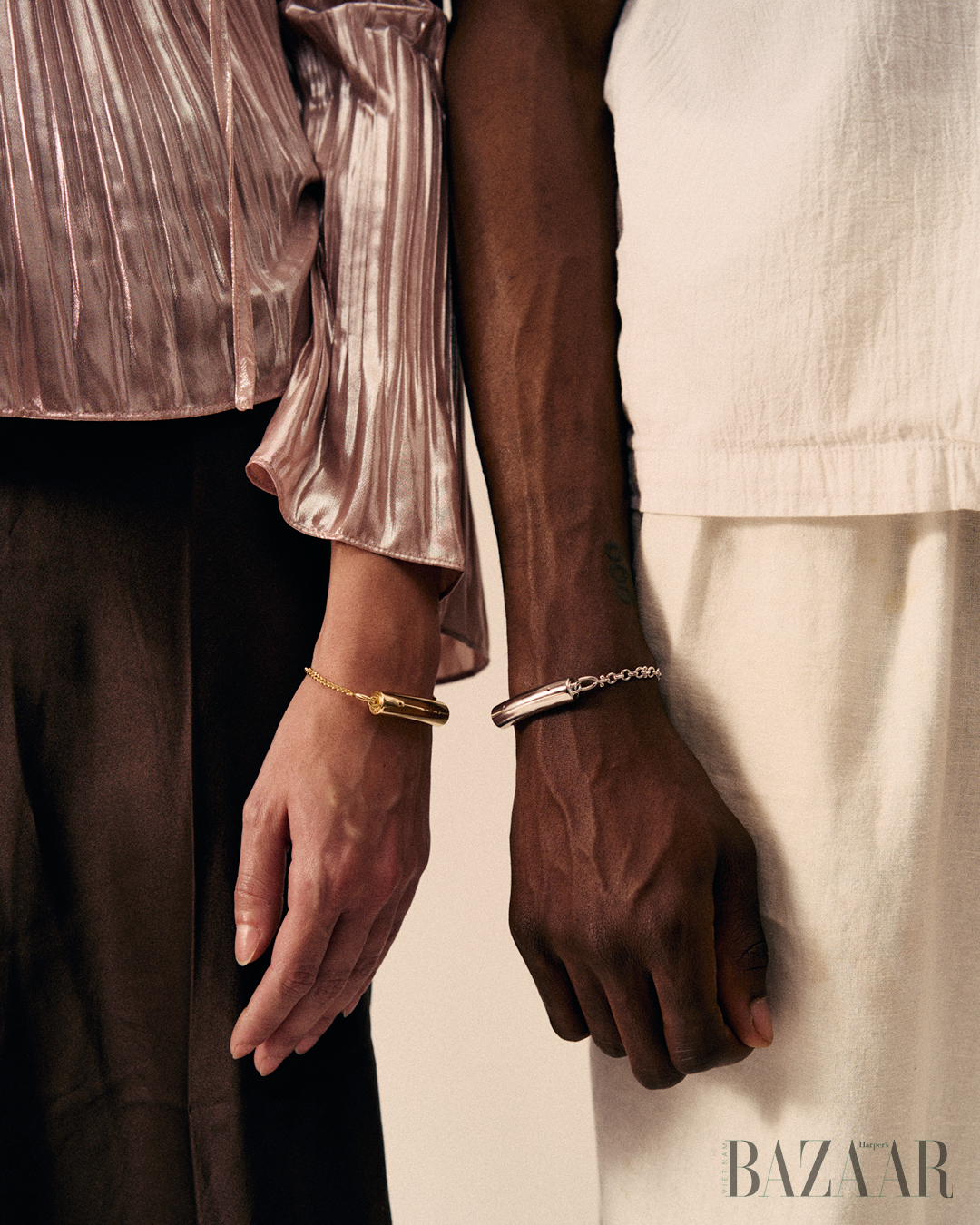
HBZVN: How has your experience in jewelry and fashion influenced the way you work at Nirva?
HANYING HU: The most interesting part is that there is almost never a decision that belongs only to design or only to engineering. Something as simple as changing a proportion can affect what fits inside the device, how it is assembled or how comfortable it feels on the body. At the same time, a technically perfect solution may not work if people don’t actually want to wear it. That constant conversation between technology, design and human behavior is challenging, but it is also what makes the work very different from anything I had done before.
HBZVN: How would you describe your role at Nirva today?
HANYING HU: My role spans design and brand visuals, and it is quite close to the role of a creative director in fashion. I lead the team on everything related to visual identity and branding, from typography to the many small details of packaging. A big part of my work is thinking about how each of those details expresses the Nirva brand, and what we really want to say through it. I believe a brand lives in its details.
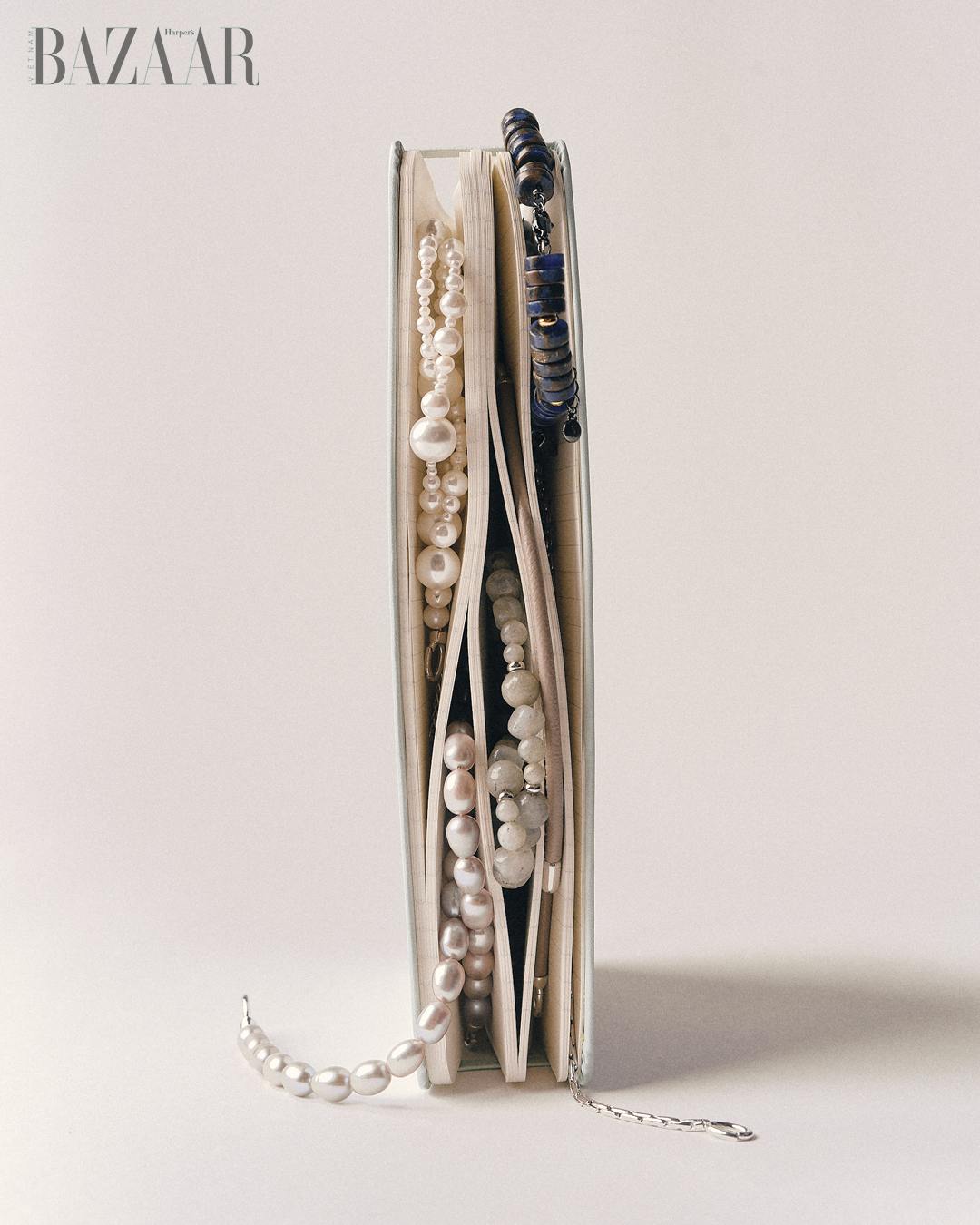
HBZVN: What are you hoping to build or explore in this new stage of your career?
HANYING HU: Most of my career has been about creating objects people choose to keep close. Now I get to ask that same question in a world that is completely new to me. With Nirva, I want to explore how technology can become something people genuinely want to live with, rather than just another piece of tech. Honestly, I don’t have all the answers yet, and that is exactly what excites me. I would rather keep discovering than already know.
Harper’s Bazaar Vietnam