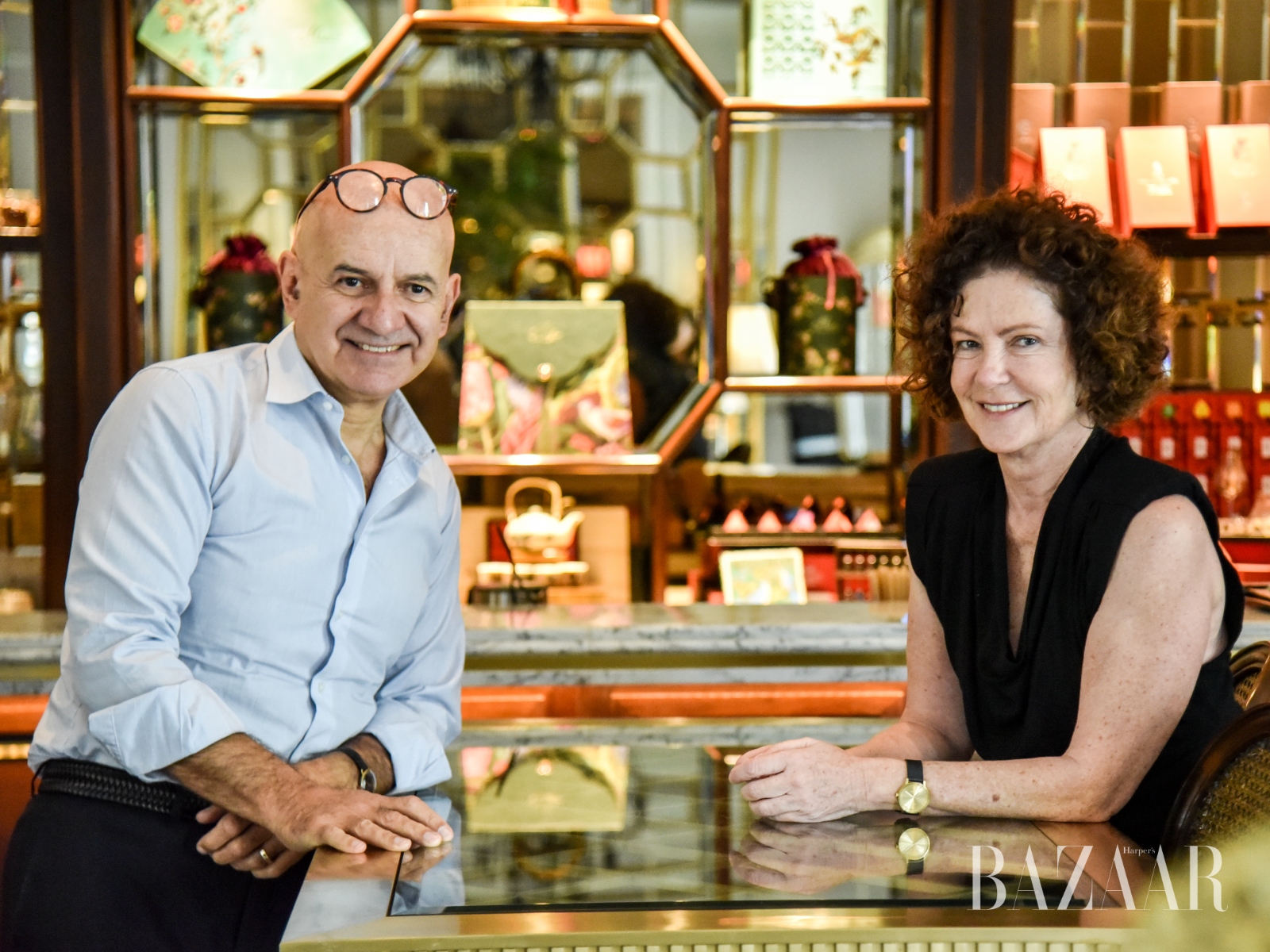
Mr. Tiziano Vudafieri and Mrs. Catherine Vautrin. Photo: Richard Le
We met the Italian architect couple, Mr. Tiziano Vudafieri and Mrs. Catherine Vautrin, along with Mr. Sebastiano Cattiodoro, Director of Projects and Operations for the Asia-Pacific region at Vudafieri Saverino Partners, on a quiet weekend afternoon at Mia Saigon Hotel. We had arranged this meeting to discuss the future potential of Vietnam’s architectural landscape.
This marked Tiziano’s fourth visit to Vietnam this year alone, a frequency that speaks volumes to suggest the S-shaped land has deeply stirred his artistic inspiration. Amid modest houses, simple everyday rhythms, and buildings rising higher by the day, the architect and his collaborators perceive a distinctive cadence found nowhere else but Vietnam. Through their eyes, Vietnam is a place where tradition and modernity converse and coexist; where architecture, people, and even fashion breathe in unison.
Vietnam – Smiles Weave Space
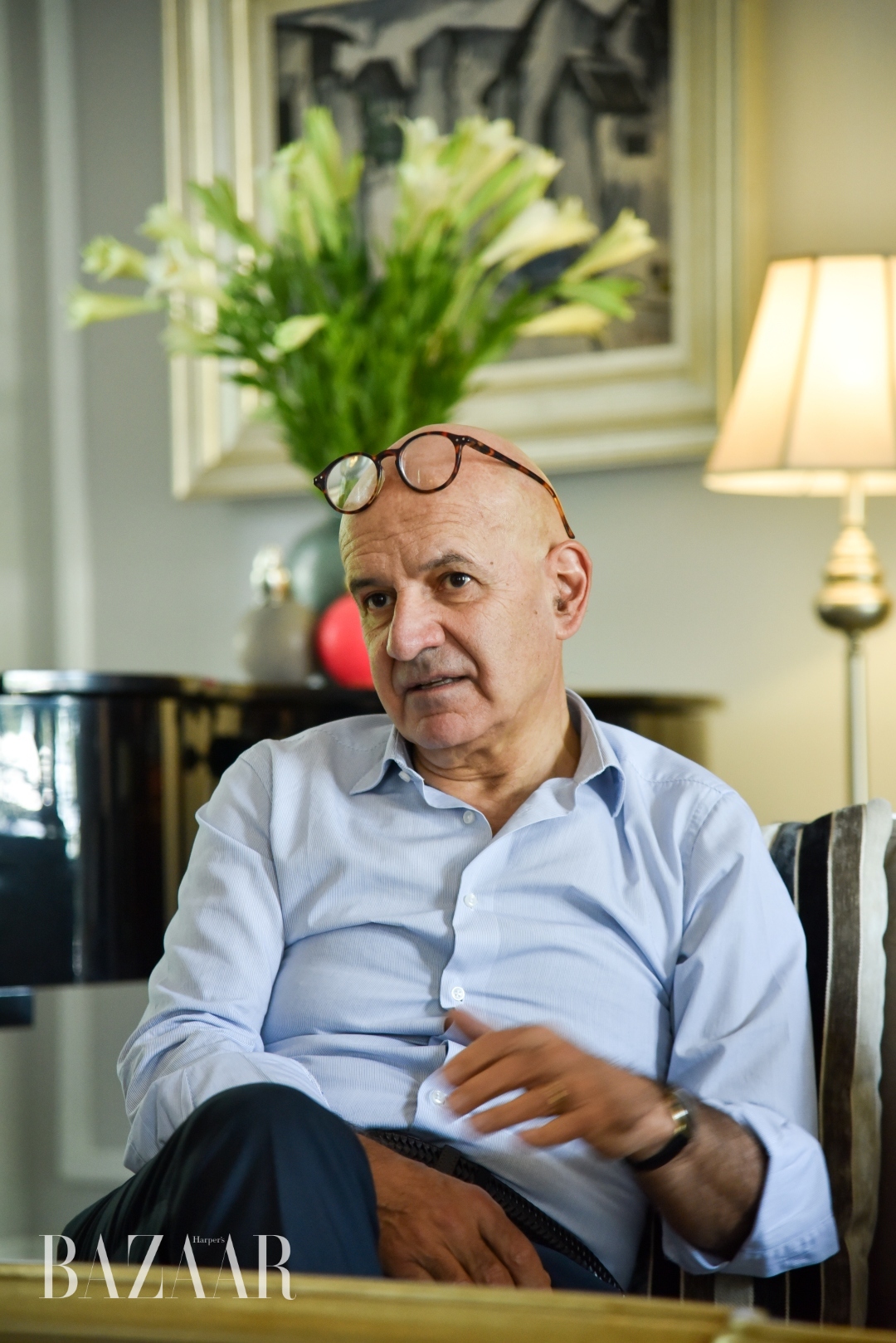
Photo: Richard Le
“Vietnamese people live half indoors, half outdoors”, he laughs, describing an architectural image unique to this country. Mechanics fixing motorbikes, street vendors, sidewalk cafés, all seem to open themselves entirely to the outside world, as if no real boundaries exist. To him, Vietnam is a place where opening a door means instantly encountering the street, light, wind, and smiling faces.
From an architect’s perspective, these simple yet profound observations speak volumes about the spirit of living spaces, ones that place human connection at their core.
Tube houses, shophouses, and narrow alleys winding through neighborhoods all merge into a shared narrative of openness. Every window frame, ventilation opening, and courtyard feels like a mirror reflecting the Vietnamese soul and character: hospitable, warm-hearted, intimate, and generous in sharing. Tiziano emphasizes that “architecture is about people”. It begins with the moment you notice sunlight filtering through tree canopies, a breeze brushing past the eaves, or laughter echoing from a kitchen.
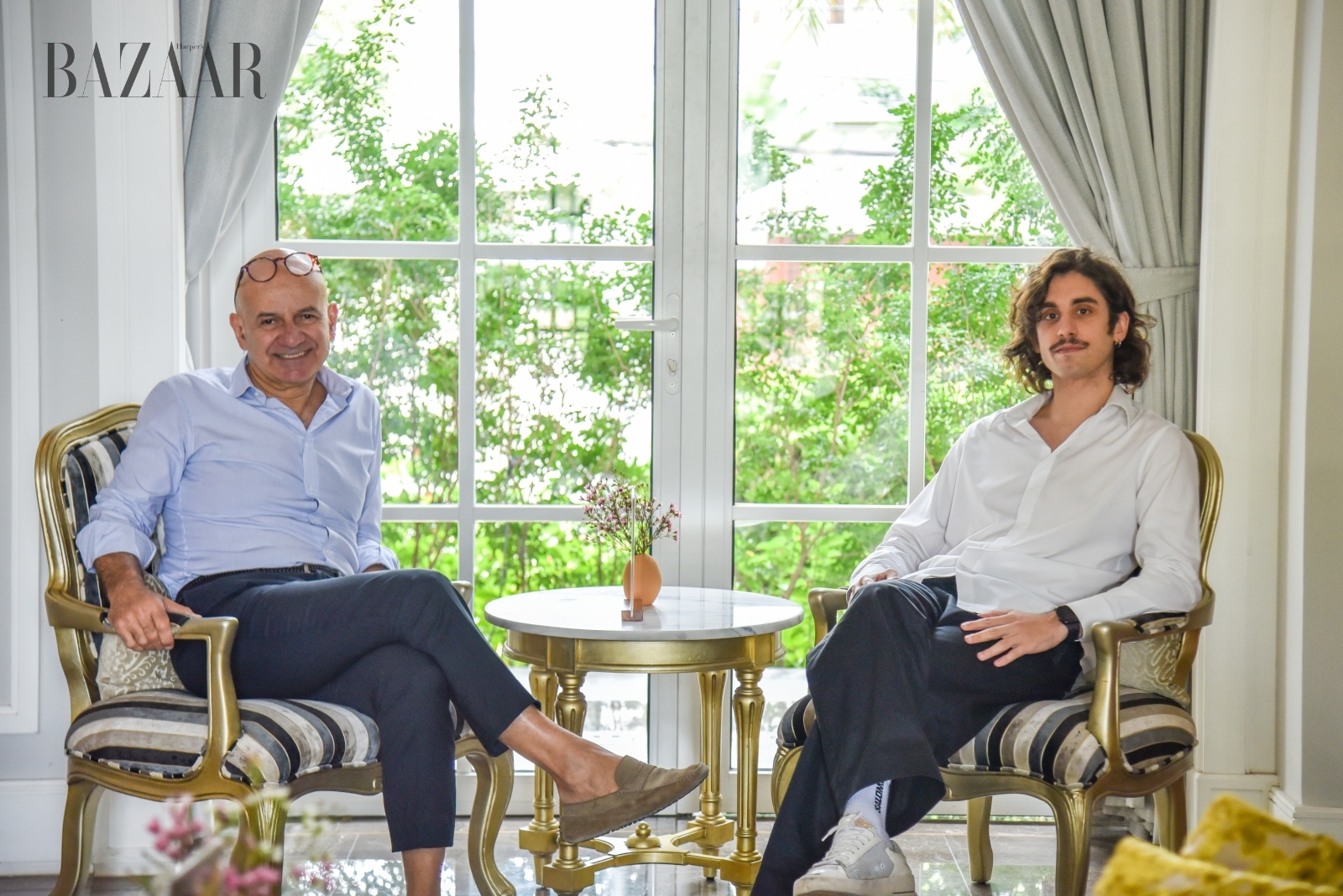
Photo: Richard Le
Listening to him speak about Vietnam, we, Vietnamese ourselves, found that we understood our homeland more clearly. So accustomed to everyday scenes, it was only when an outsider observed and described “spaces woven from daily life, where houses are built not merely to live in, but to open one’s heart to others” that we suddenly exclaimed, “That’s exactly it, how did we never see it before?”.
Tradition Flowing with Modernity
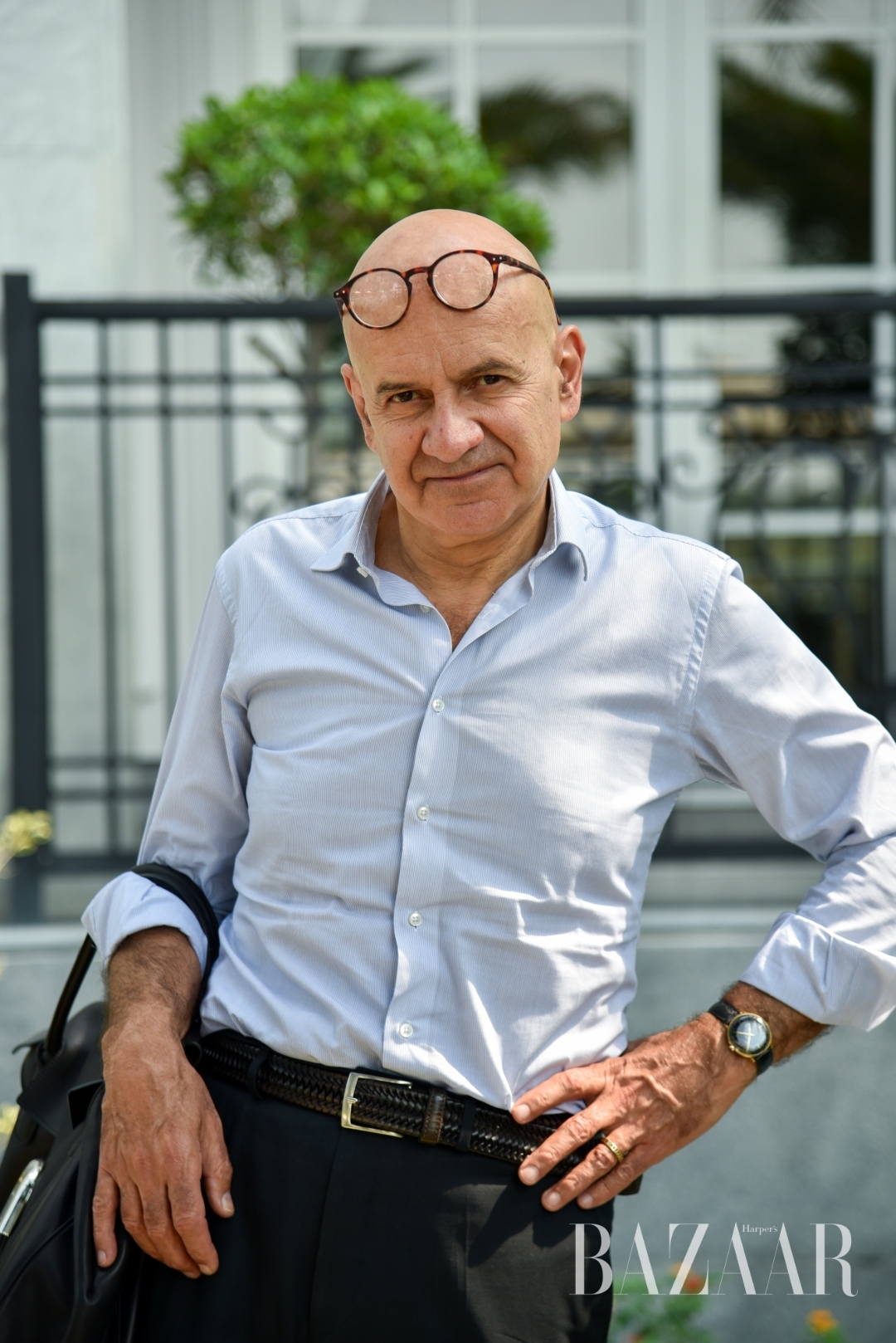
Photo: Richard Le
Tiziano delves into the major challenge Vietnam faces today: preserving its traditions while carving out a distinctly modern path of its own. “Modernity doesn’t mean building skyscrapers like New York or Dubai”, he says. “True modernity must be born from local culture”.
That is why he holds a deep appreciation for craftsmanship, something many countries are gradually forgetting. From carpentry and wood carving to upholstery, these crafts have long been intertwined with Vietnamese life. To him, they are the very breath of a culture, the essence that gives local architecture its identity. Neglect them, and buildings lose their soul, becoming cold no matter how modern they appear.
He finds a resonance here with the work of his wife, Catherine Vautrin, who has spent many years in the fashion industry. Together, they speak of the intersection between tradition and modernity. Recalling their collaboration on projects for Emilio Pucci, a brand where Catherine once served as CEO, they share the same belief: “The more modern you aim to be, the deeper you must understand your roots”.
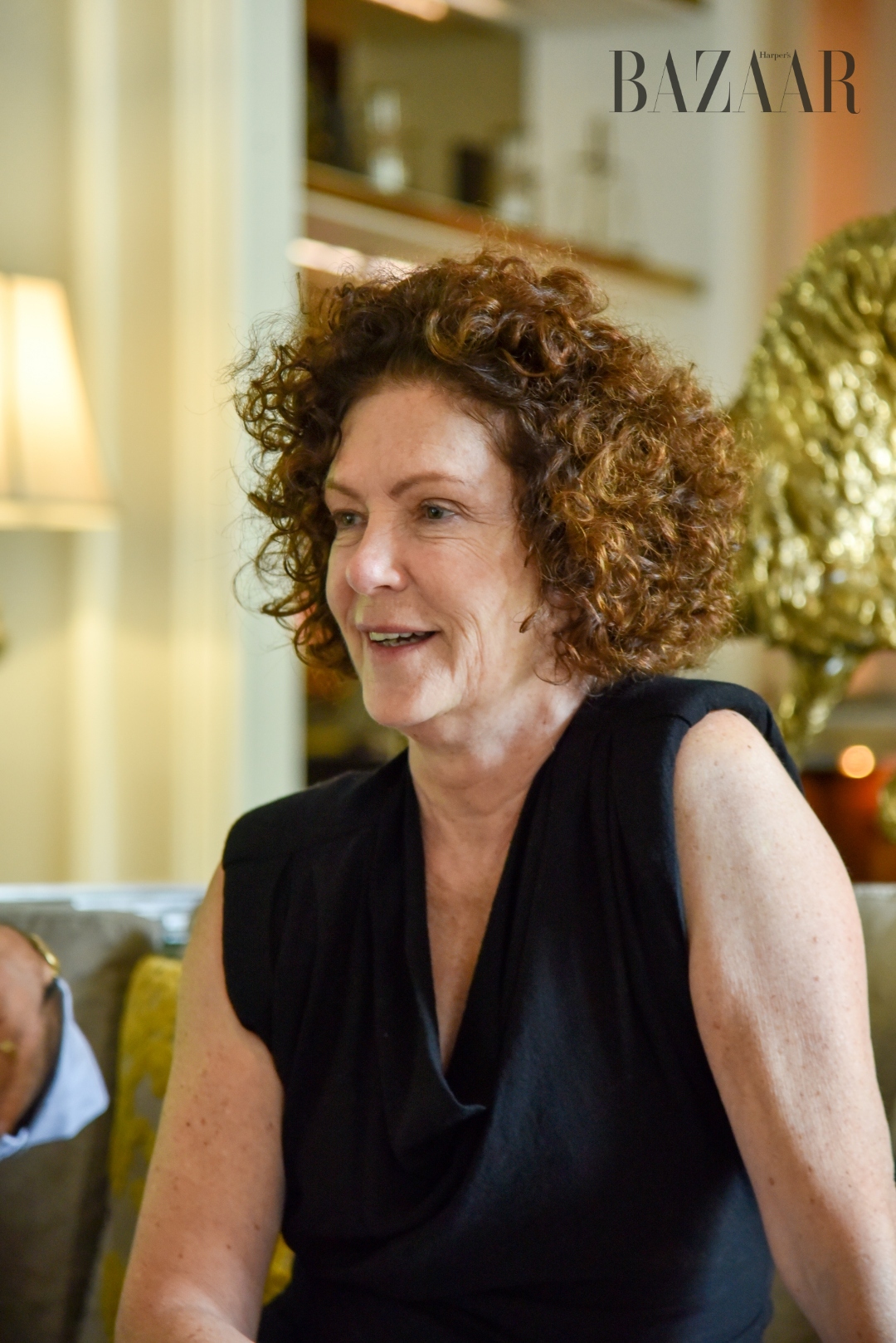
Photo: Richard Le
A store is not merely a place to display products. It should be seen as a stage on which a brand tells its own story, where light guides movement, materials speak for character, and spatial composition creates an emotional rhythm for visitors.
Tiziano also sees a profound parallel between architectural design and fashion design. “You must understand the user and understand the place,” he explains. “Only then can a creation merge naturally into everyday life”.
Mr. Tiziano Vudafieri: Vietnam’s Potential – A Canvas Still Unfinished
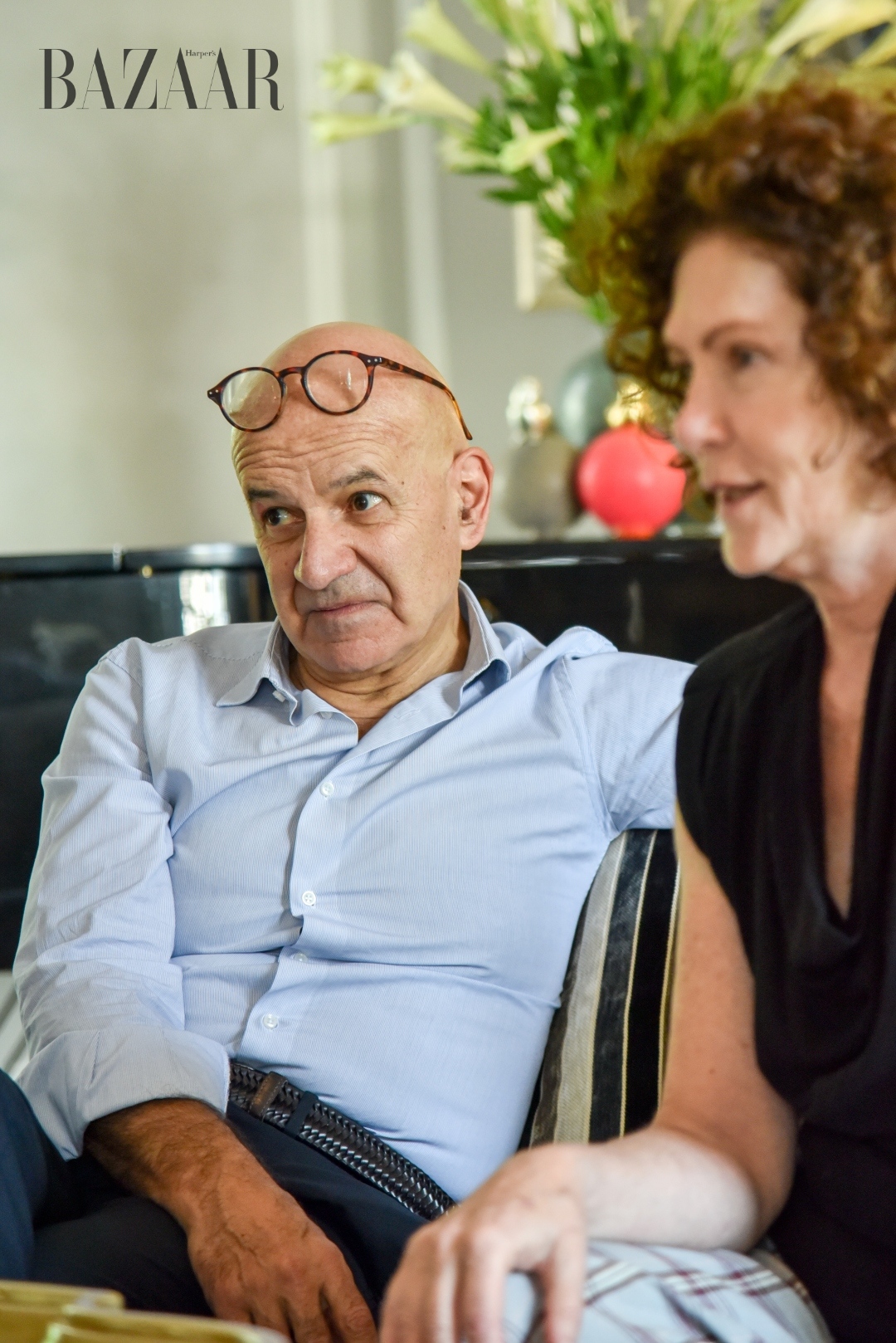
Photo: Richard Le
Tiziano Vudafieri believes the world is waiting for something new from Vietnam: perhaps a distinctive architectural language, a unique dialogue between East and West, between Eastern tradition and the youthful creativity of a new generation.
Vietnam possesses advantages that many European countries have already passed through: a rapidly developing economy, cultural openness, and a young generation eager to learn and experiment. This creates fertile ground for architectural breakthroughs.
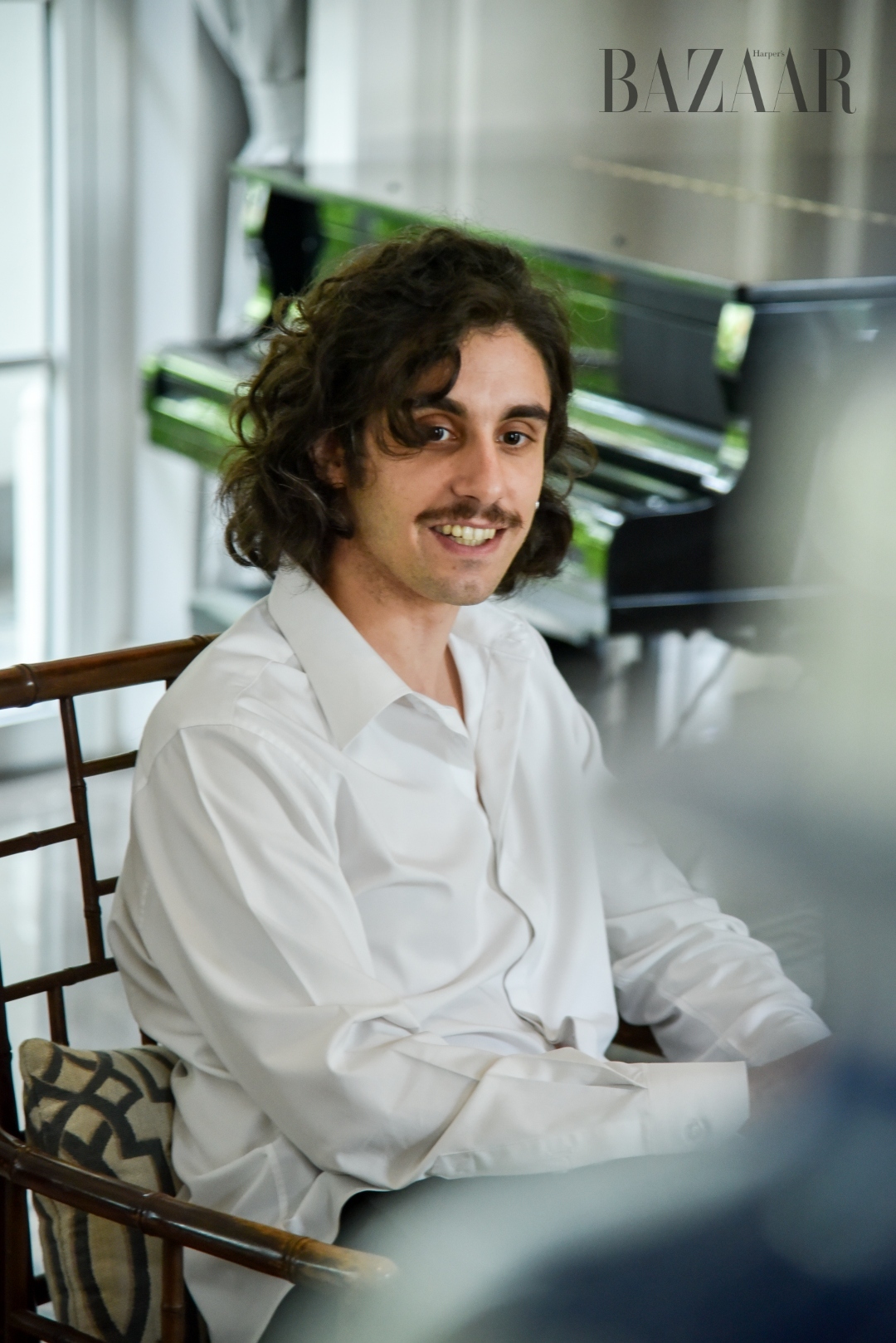
Photo: Richard Le
“You have everything: history, culture, climate, and youthful energy”, he shares. “As long as you preserve your identity, Vietnam will never be lost in the crowd”. In his view, Vietnam’s young architects play a pivotal role in shaping the future of the profession. His colleagues are particularly impressed by and hopeful about the emerging generation of young female architects.
They are keenly aware of sustainability, closer to nature, and deeply attentive to human emotion in every design. Beyond that, they organize meditation sessions in their offices and experiment with local materials, practices that, as he admits, “even we in Europe still need to learn”.
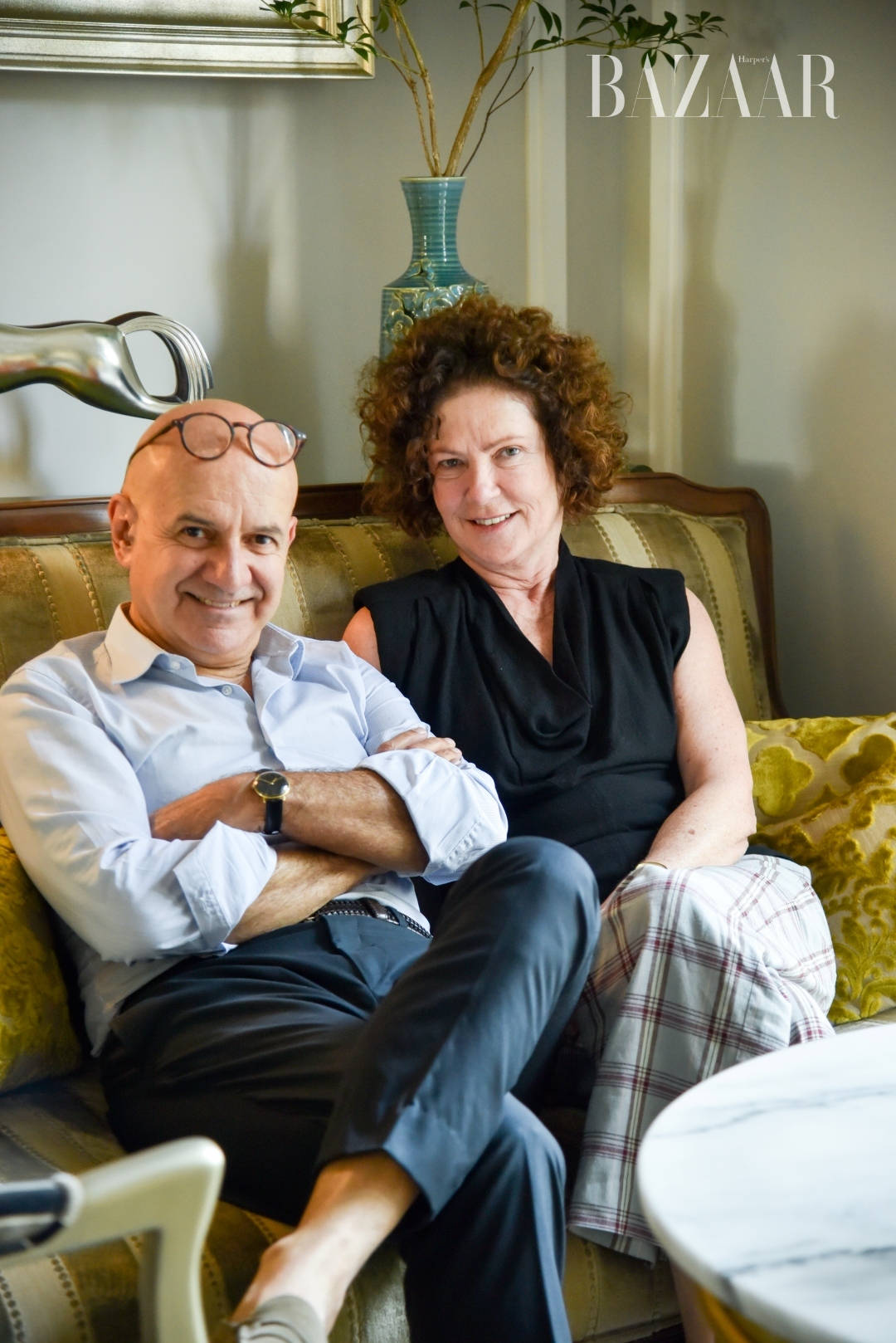
Photo: Richard Le
This only reinforces the belief that Vietnam does not merely have potential, but also a creative force bold and capable enough to realize it.
Perhaps that is why Mr. Tiziano Vudafieri is currently developing office projects and exploring opportunities in hospitality, residential, and retail spaces. The goal is not to imitate anyone else, but to shape a Vietnam that is both modern and deeply local, “a fusion of Eastern and European beauty, of tradition and modernity, of nature and humanity”.
Harper’s Bazaar Viet Nam