Echoes of the East
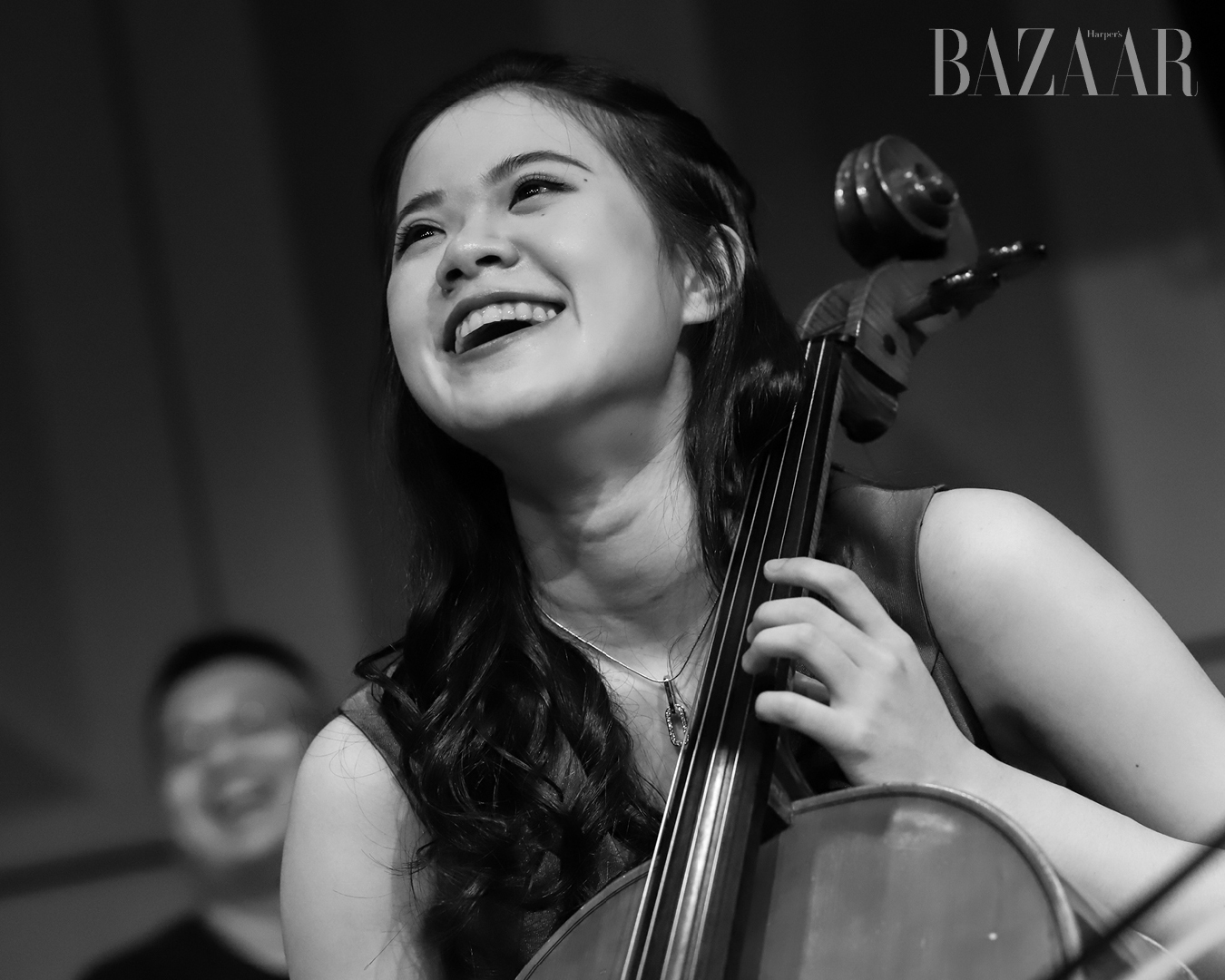
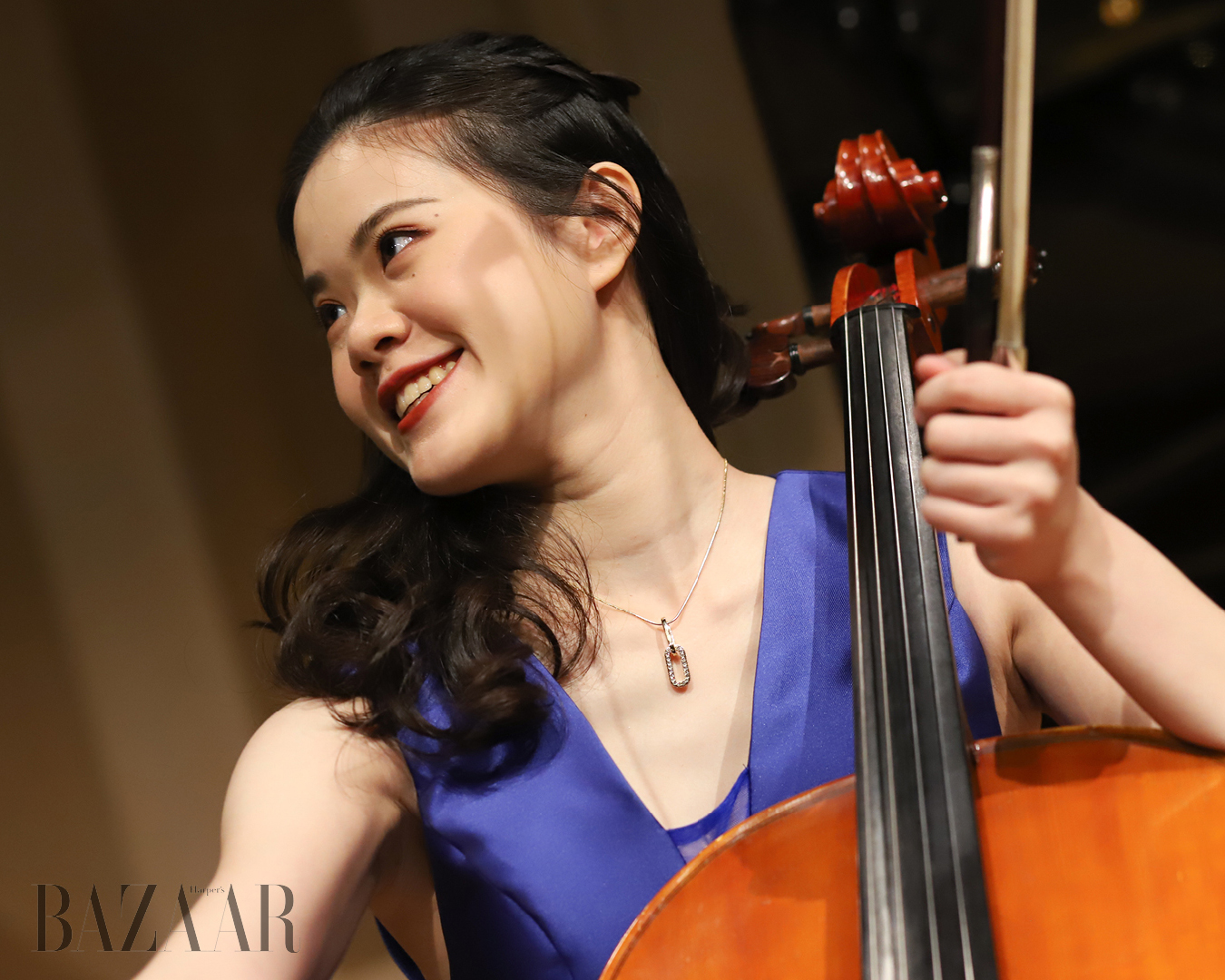
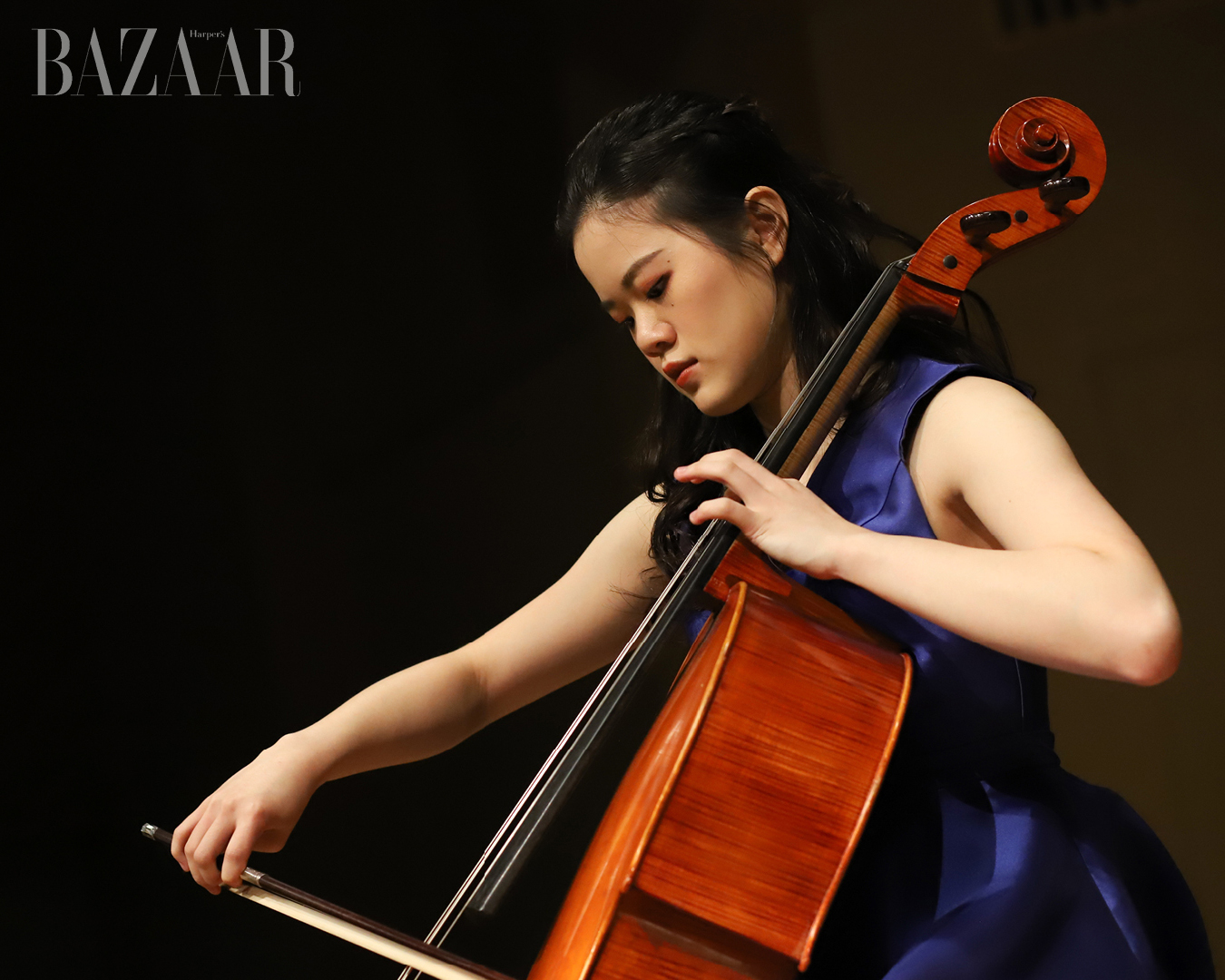
From the first resonant tones of the cello at six, Je-Shiuan Hsu has lived a life deeply intertwined with music. Her earliest memories are of her mother teaching cello at home, with lullabies not sung but played by young students accompanied by piano. “When my mother eventually introduced me to these instruments, it didn’t feel like a decision or obligation,” she recalls. “It felt natural, inevitable, as if music had always been part of my life.”
This dual foundation shaped Dr. Hsu not only as a performer but also as a listener. Piano instilled in her a sense of structure and harmony, while the cello gave her a voice to express emotion. Together, these early experiences built an artistry that prioritizes attentiveness, sensitivity, and storytelling through sound.
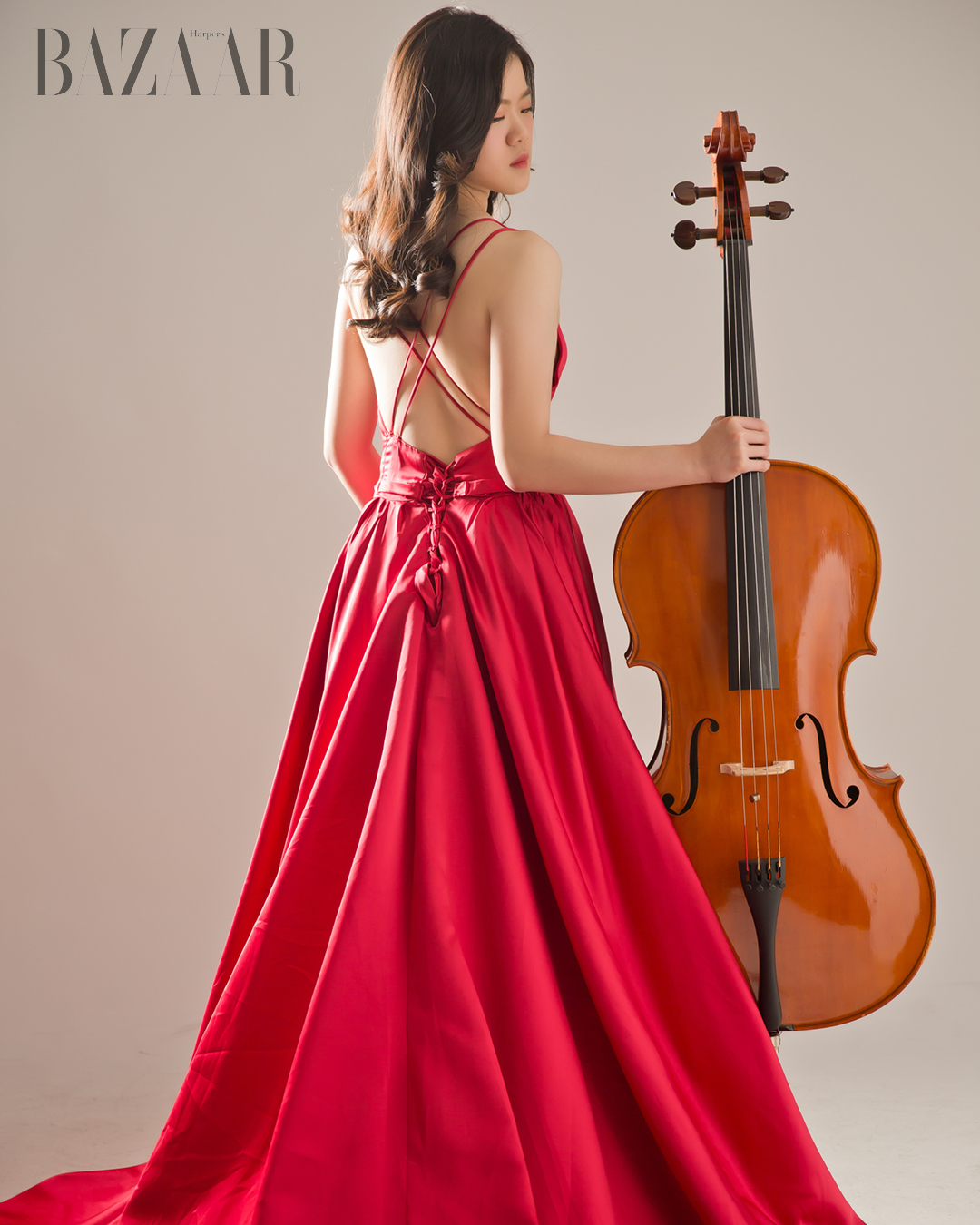
Growing up surrounded by a blend of Eastern traditions and Western repertoire, she was exposed to Taiwan’s indigenous sounds, folk melodies, and classical training side by side. Later, when she pursued advanced studies abroad, this background became the spark for exploring works that bridge East and West. “I’ve become especially drawn to pieces that reflect Asian identity,” she explains. “In performing them, I share not only the music but also a culture shaped by diversity and resilience.”
Journeys in Performance
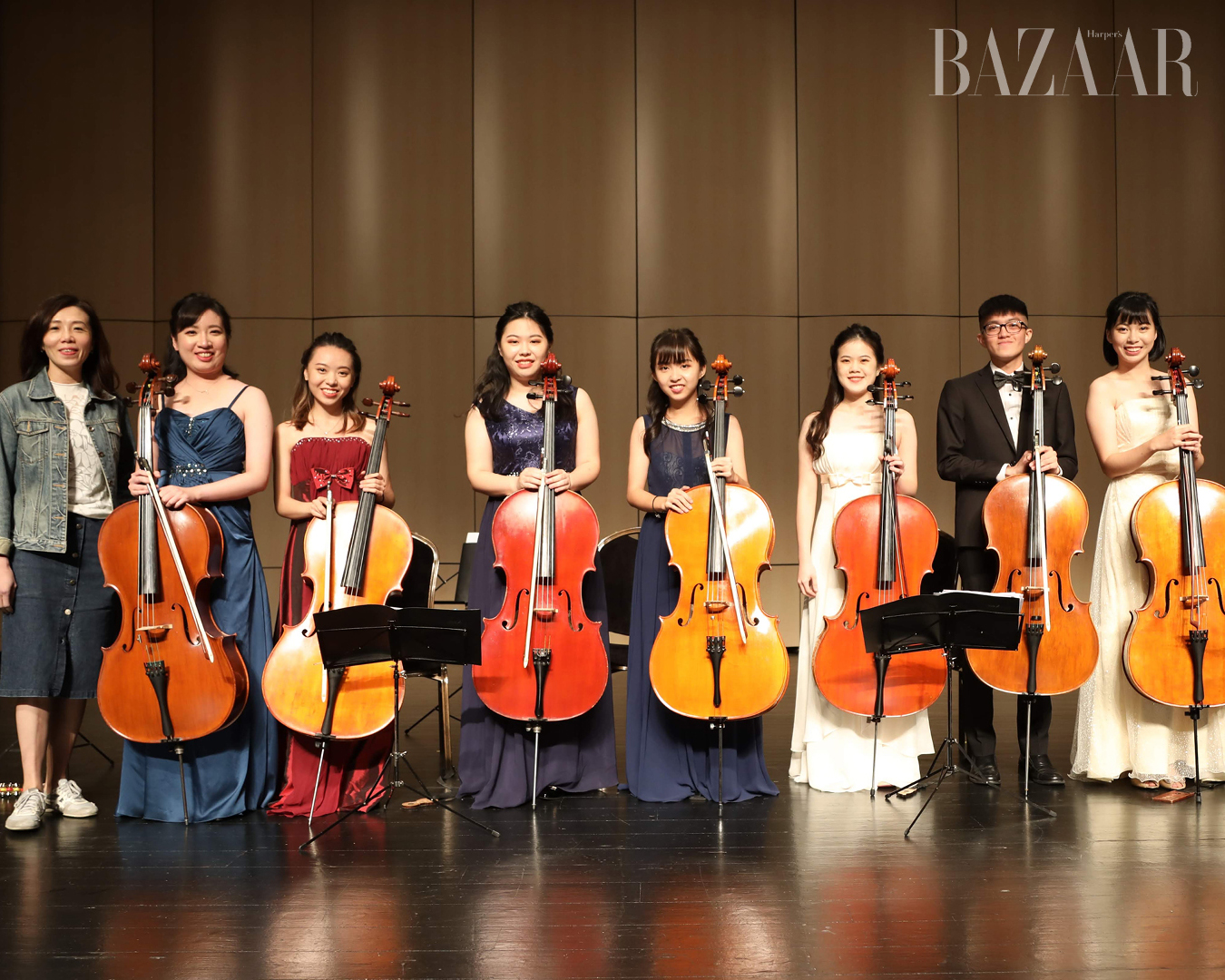
Recognition soon followed her across stages and competitions. Among her proudest memories is the string quartet she formed during her student years, which represented the university in numerous concerts, including a performance at the Chimei Museum. Winning the first place at National Taiwan Music Competition in 2016 remains a highlight—not because of the prizes themselves, but because of “the joy of collaboration, growth, and shared passion that made it unforgettable.”
Her development continued in Austin, Texas, where she studied under the mentorship of Bion Tsang at the University of Texas. There, she honed her awareness as a performer, learning to analyze her playing critically, embrace technology as a tool, and reflect on music’s role beyond the practice room. “I continually ask myself what my music can offer to others and how it can resonate beyond the stage,” she says.
Women’s Voices in Music
Today, Dr. Hsu’s work extends beyond traditional concert settings. In museums, she has created dialogues between visual art and sound, offering unexpected encounters for audiences not accustomed to classical concerts. For her, these intimate and spontaneous reactions are as powerful as the applause in a concert hall.
Her current focus lies on an upcoming album dedicated to women composers. Choosing repertoire solely by female voices was both a challenge and a statement. Clara Schumann, Rebecca Clarke, and Asian composer Sarana Chou form the heart of the program. “This album emphasizes that true respect, regardless of gender, background, or social status, starts with believing in your own worth,” she says.
In particular, Chou’s Suite for Cello Solo, recorded here for the first time, reinterprets folk melodies with deep cultural resonance. For Dr. Hsu, it is both a cultural tribute and a personal reminder “to stay grounded, advocate for myself, and honor the quiet strength of my ancestors.”
Beyond Borders
Balancing classical depth with contemporary freshness, Hsu continues to see music as a bridge across eras and cultures. Classical and modern works, though different in technique and sound, often carry shared emotional themes. Programming them side by side, she finds, reveals surprising connections across history.
Outside of music, she seeks balance through climbing and travel, which remind her of humility and perspective. Looking ahead, she is preparing for the release of her debut album and new opportunities, determined to take the next step in her artistic journey. She says, “I am confident in my ability to pursue my career as a performing artist.”
Through every stage of her journey, Je-Shiuan Hsu continues to shape a musical voice that is at once personal and cultural—an expression that moves beyond borders, beyond traditions, and into the shared human experience of sound.
Harper’s Bazaar Vietnam